The Casio CDP-S110 is one of the best-value ways to get a full 88-key, fully weighted digital piano, and for most beginners it’s an easy recommendation. It’s slim, light, often the cheapest weighted 88 on the shelf, and it sounds and feels good enough to carry you well past your first year. It’s not perfect — the speakers are modest and the interface is bare-bones — but as a first piano, it punches above its price.
Key action and feel
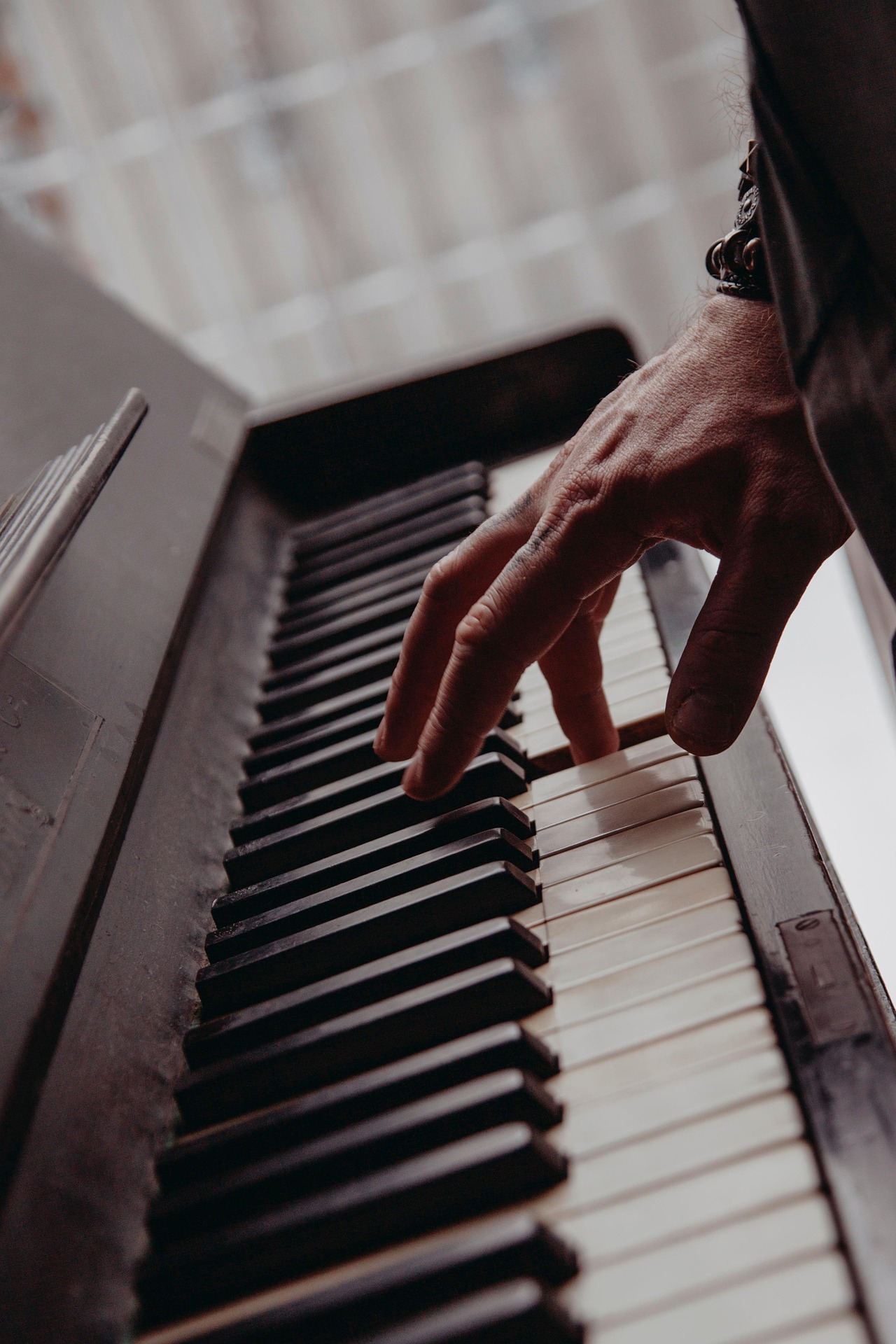
The CDP-S110 uses Casio’s Scaled Hammer Action keyboard — fully weighted, with keys that are heavier in the bass and lighter in the treble, just like an acoustic. This is the spec that matters most for a beginner, and Casio delivers it at a price that undercuts most rivals. The touch is a little lighter and less nuanced than a Roland FP-10, but it’s genuinely weighted and completely adequate for building proper technique. If you’re wondering whether that weighting is worth insisting on, my piece on 61 vs 76 vs 88 keys explains why it is.
Sound quality
The core grand piano tone is warm and pleasant, and through headphones it sounds noticeably better than the built-in speakers suggest. The onboard sound library is small — a handful of voices including electric piano, organ, and strings — which is fine; beginners rarely need more. The main compromise is the speaker system: it’s small and can feel thin at volume in a large room. For quiet home practice, especially with headphones, it’s a non-issue, and headphones are how many people use a digital piano anyway. See my picks for playing quietly if that’s your situation.
Portability and design
This is the CDP-S110’s standout feature. It’s one of the slimmest and lightest weighted 88-key pianos available, and it can even run on batteries. That makes it ideal for:
- Small apartments where a bulky console piano won’t fit.
- Players who need to pack it away between sessions rather than leave it out.
- Anyone who might move it to another room, a lesson, or a friend’s place.
If space is your main constraint, few weighted pianos fit a tight setup as neatly. Pair it with a good home practice space and you’ve got a serious little station.
Browse the current Casio CDP-S range on Amazon →
The downsides to know
No piano is flawless at this price. The button-plus-key menu system is fiddly since there’s no real screen. The included pedal is a basic footswitch, not a realistic damper pedal. And the speakers, as noted, are the weak spot. None of these are dealbreakers for a beginner, but they’re the compromises Casio made to hit the price. Budget a little extra for a proper sustain pedal and a stand.
Who should buy it?
Buy the CDP-S110 if you want the most affordable route to fully weighted 88 keys, you’re tight on space, or portability matters. Look at a Yamaha P-45 or Roland FP-10 instead if you want slightly more refined feel and sound and have a bit more to spend. For the full field, my best budget digital pianos roundup and my best digital piano for beginners in 2026 guide place it among the competition. It also features on my list of digital pianos under $500.
Check the current Yamaha P-45 price on Amazon →
Check the current Roland FP-10 price on Amazon →
One last thing: the CDP-S110 is a fine instrument, but it won’t teach you to play. The beginners who stick with it pair a solid keyboard with a real method. A structured, affordable course like Pianoforall is what turns this compact Casio into actual songs, and it costs a fraction of the piano itself. Get the instrument, then get a plan.
Frequently asked questions
Is the Casio CDP-S110 fully weighted?
Yes. It uses Casio’s Scaled Hammer Action with 88 fully weighted keys, heavier in the bass and lighter in the treble, so it builds proper piano technique.
Where can I actually buy the CDP-S110?
Casio still makes it and dedicated music retailers stock it, but at the time of writing it is not reliably listed on Amazon in the US. If you’re shopping there, the CDP-S160 is the closest sibling — a step up in the same slim body, and often surprisingly close in price.
Is it good enough to learn on long term?
For most beginners, yes — it’ll serve you for a few years. You might upgrade later for better sound and feel, but the CDP-S110 won’t hold back your technique.
What accessories do I need with it?
A stand (X-stand or furniture), a proper sustain pedal to replace the basic footswitch, and headphones for quiet practice. Factor those into your budget.
As an Amazon Associate I earn from qualifying purchases. This post contains affiliate links. If you buy through them, we may earn a small commission at no extra cost to you.
How we reviewed this (updated 16 October 2026): this page is based on the manufacturer’s official information, specifications and pricing and on public user feedback. We have not hands-on tested the Casio CDP-S110.