
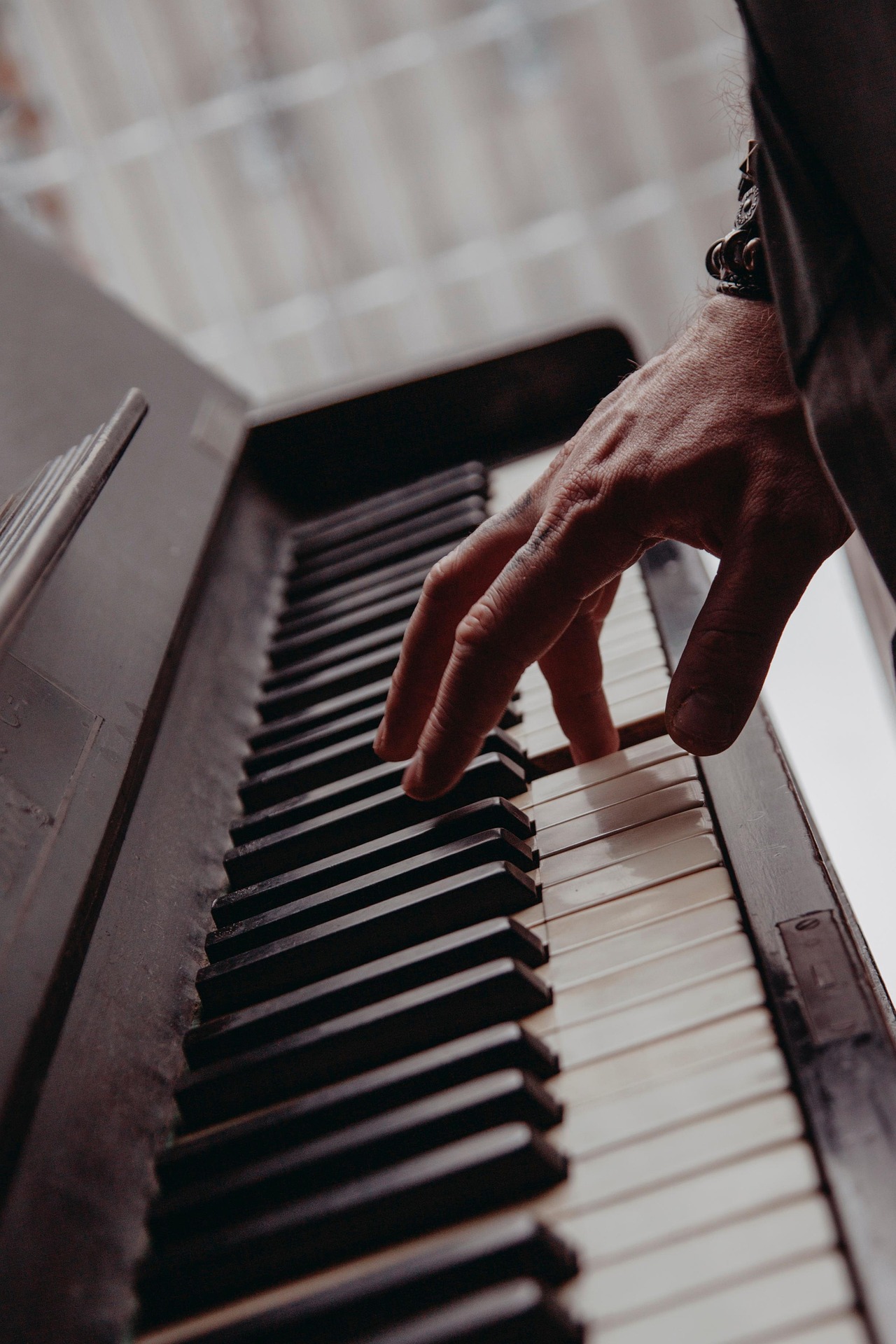
A quick note: this article offers practical playing adaptations, not medical advice. If you have arthritis or hand pain, your doctor or physiotherapist knows your hands better than any website. Contains affiliate links — disclosure.
One of the most common worries we hear from readers in their 50s, 60s and beyond: “I’d love to learn piano, but my hands are stiff in the mornings” — or “my finger joints ache; surely piano is off the table?” Here’s the perspective worth hearing first: piano is one of the most adaptable instruments there is, gentle range-of-motion activity is often welcomed for stiff hands (ask your clinician about your case), and there are concrete adjustments that make playing comfortable rather than punishing. Plenty of people play happily with imperfect hands. This guide covers how.
First, the encouraging facts
- Piano doesn’t demand force. A well-regulated keyboard needs surprisingly little finger pressure — far less than wringing a towel or opening a jar. Loud playing comes from arm weight, not finger strength.
- You control the intensity completely. Unlike guitar (string pressure) or violin (sustained awkward angles), piano lets you choose softer keys, shorter sessions and simpler arrangements without sounding worse — just quieter and simpler.
- Gentle movement tends to be your friend. Many people find stiff joints feel better after a few minutes of easy playing, the same way a morning walk loosens stiff knees. Pain is the line: discomfort that eases as you warm up is common; sharp pain that builds means stop.
Set up your instrument to work with you
| Adjustment | Why it helps |
|---|---|
| Lighter key action — on digital pianos, set touch sensitivity to “light” | Reduces the force every single note costs you. The single biggest win available. |
| Correct bench height — forearms level with the keys | Keeps wrists neutral instead of bent; bent wrists multiply strain. |
| Sit slightly further back | Encourages playing from the arm rather than clawing with fingers. |
| Warm room, warm hands | Cold joints are stiff joints. Thirty seconds under warm water before playing is a legitimate technique. |
Adapt the music, not just the instrument
Choose chord-based playing. This matters more than anything else on this list. Classical technique asks for fast independent finger work — exactly what stiff hands hate. Chord-style playing (the approach behind most pop, ballads and accompaniment) uses comfortable hand shapes that move as a unit, with the wrist and arm doing the travelling. It sounds full and rich with a fraction of the finger gymnastics. It’s also, not coincidentally, the method behind Pianoforall, the course we recommend most for adult learners — its whole system is built on chord shapes rather than finger drills, which makes it unusually friendly to less-than-perfect hands.
Shrink the stretches. Big four-note chords with wide spans? Play three notes. Drop the octave doubling. Nobody in the room will notice; your thumb joint will. Our guide to playing with small hands covers the same repertoire tricks — they apply identically to stiff hands.
Slow pieces are real pieces. Ballads, hymns, film themes — the repertoire that sounds most beautiful at gentle tempos is enormous. Speed is the most overrated quality in amateur piano.
A joint-friendly practice structure
- Warm up away from the piano (2 min): gentle fist-open-fist, finger spreads, wrist circles. Nothing forced.
- Easy playing to start (3-5 min): simple five-finger patterns or a piece you know well, played softly and slowly.
- The real work (10-15 min): whatever you’re learning — at whatever tempo keeps it comfortable.
- Stop before the ache. Two or three short sessions spread across the day beat one long one — for learning and for joints. (Our adult practice routine guide is built around exactly this principle.)
When to get individual advice
See a professional rather than a website if: pain is sharp rather than achy, a joint swells after playing, numbness or tingling appears (that’s nerve territory, not muscle), or morning stiffness lasts hours rather than minutes. A physiotherapist or occupational therapist can often suggest splints, exercises or specific adaptations that fit your exact hands — many musicians with arthritis play for decades with the right guidance.
FAQ
Will playing piano make my arthritis worse?
For most people with osteoarthritis, gentle varied movement is considered helpful rather than harmful — but this is exactly the question to ask your doctor, because inflammatory flare-ups change the answer.
Are keyboard exercises like Hanon good for stiff hands?
Traditional speed drills are the wrong tool here — they concentrate exactly the strain you want to avoid. Musical, chord-based practice gives your hands movement without the grind.
Is a digital piano or acoustic better for me?
Digital, usually: adjustable touch sensitivity is the killer feature, plus volume control and no maintenance. See our take on choosing a beginner keyboard.
Related: Learning piano as an adult · Posture and hand position