
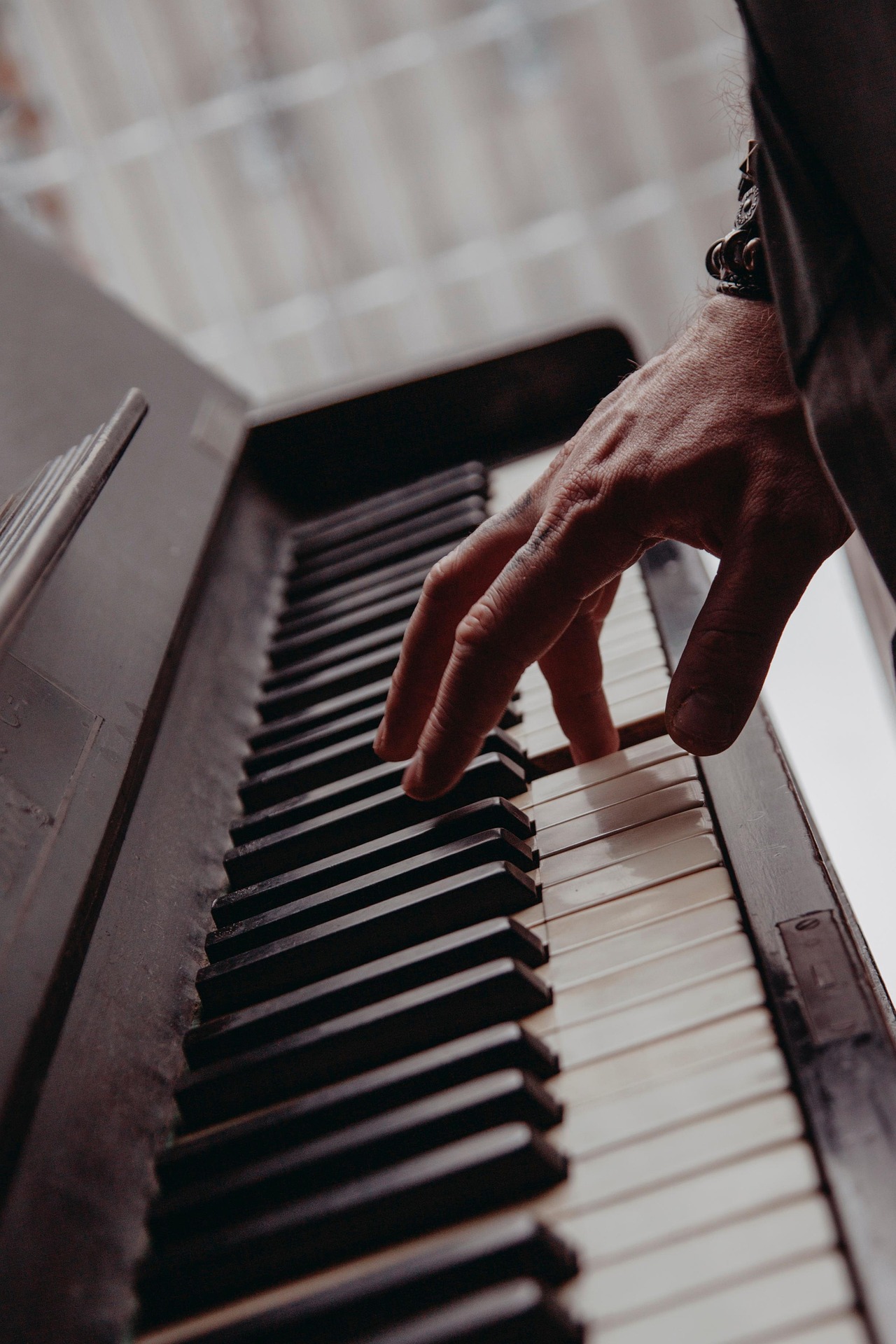
Many beginners — particularly women, teenagers, and adults with smaller frames — worry that their hands are too small for piano. This concern is largely unfounded. Small hands are a real consideration but not a disqualifying factor, and there are practical ways to work with them rather than against them.
What “Small Hands” Actually Means on Piano
The practical limitation of small hands is reach — specifically, the ability to span large intervals without straining. An octave span (eight white keys) is the standard reference point. Most adult pianists can comfortably reach an octave. Anything beyond that — ninths, tenths — becomes genuinely difficult for smaller hands. But the vast majority of piano music, including most intermediate and much advanced repertoire, stays within octave reach.
Techniques for Smaller Hands
Arpeggiate wide chords — instead of playing all notes simultaneously, roll them quickly from bottom to top. This is a standard technique used by professional pianists with all hand sizes, and it sounds musical rather than like a workaround. Redistribute notes between hands when possible in chords that are marked for one hand but span too far. Use pedal strategically to sustain bass notes while your hand reaches higher.
Piano Is for Every Hand Size
Pianoforall is built around chord-based playing that works beautifully regardless of hand size. Start learning today.
Repertoire Considerations
Some composers write particularly hand-demanding music — Rachmaninoff famously had enormous hands and wrote accordingly. Avoid this repertoire until your technique is fully developed and you have found your personal workarounds. There is an almost unlimited supply of beautiful piano music that is completely manageable with smaller hands, including most of Bach, Mozart, and Chopin’s nocturnes.
Avoid Over-Stretching
Forcing your hand to span wide intervals repeatedly is a pathway to injury. If a chord or passage requires you to significantly strain to reach, find an alternative fingering or arpeggiate. No musical result is worth risking repetitive strain injury. Proper hand technique — relaxed, with no unnecessary tension — matters more for small-handed pianists than for anyone else.
The Truth About Hand Size
Many of history’s finest pianists had average or below-average hand spans. Clara Schumann, one of the 19th century’s greatest pianists, had small hands. Alicia de Larrocha, considered among the finest Mozart interpreters of the 20th century, famously had very small hands. Hand size is a consideration, not a verdict.
Your Hands Are Fine — Start Playing
Pianoforall teaches piano in a way that works with your natural hand size, not against it.
What to read next
- Piano Chords for Beginners
- How to Practise Piano
- Easy Piano Songs for Beginners
- Learning Piano as an Adult
Looking for a comprehensive piano course? Read our review of Pianoforall — 10 eBooks with audio and video for a one-time price.
Disclosure: This post contains affiliate links. If you purchase through our links, we may earn a small commission at no extra cost to you. We only recommend products we genuinely believe in.