
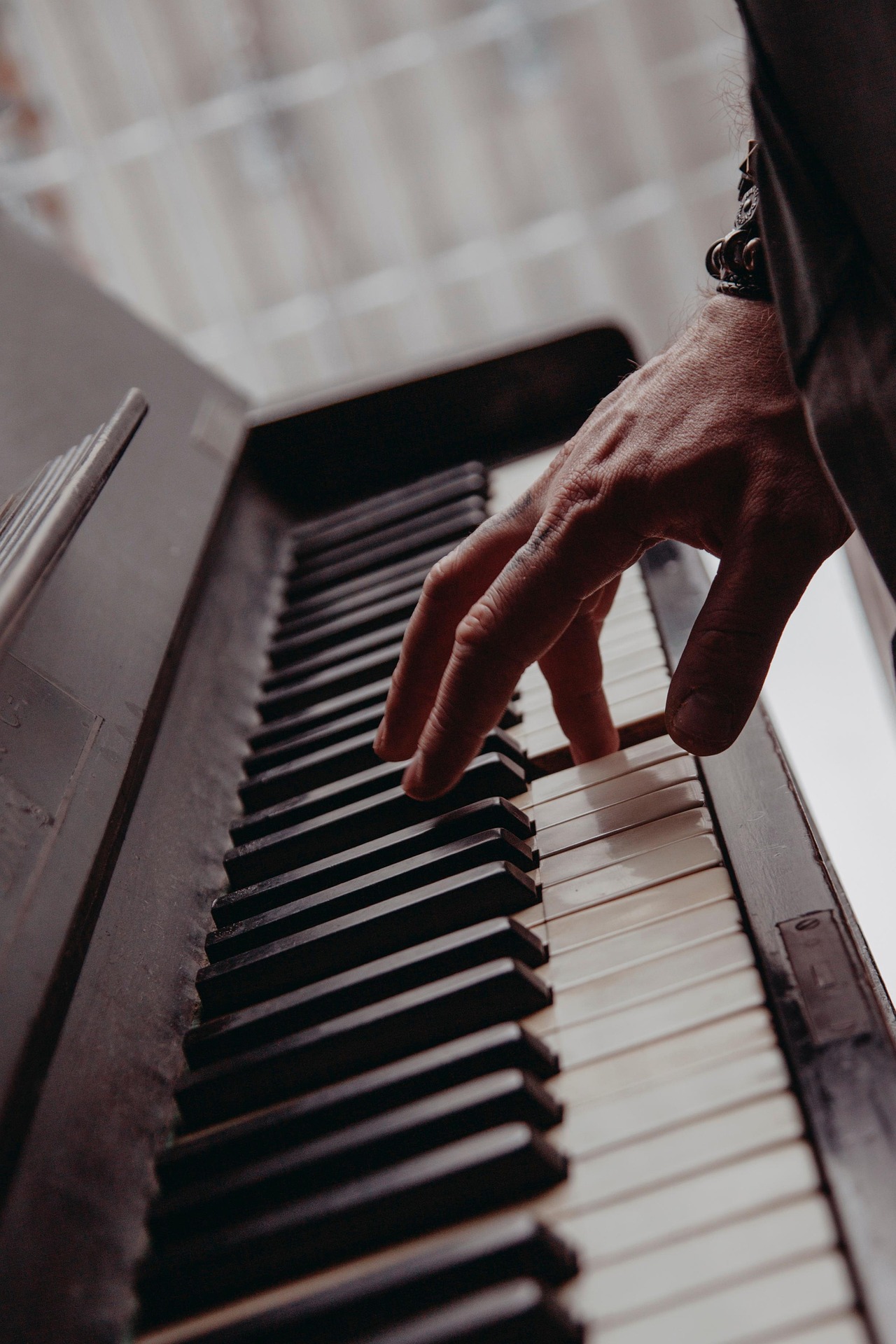
Many piano teachers assign the same warm-up exercises to every student regardless of what they actually need. The best warm-up is not a standard routine — it is specific to your current playing challenges and genuinely prepares your hands and mind for focused practice. Here is how to approach it.
Why Warm Up at All?
Cold hands move more slowly, have less sensitivity, and are more prone to tension and injury. Five to ten minutes of gentle warm-up gradually increases blood flow to the fingers, loosens the tendons, and brings your mental focus into the physical act of playing. Think of it like the beginning of any athletic session — you would not sprint without warming up first.

The Best Basic Warm-Ups
Start with something you know well, played gently and slowly — a piece from your repertoire that feels comfortable. This is actually the most effective warm-up because it engages real musical patterns rather than abstract exercises, and it gives you immediate, positive sensory feedback. After two or three minutes of this, your hands are warmer and your brain is engaged.
Warm Up With Real Music
Pianoforall builds your repertoire so you always have comfortable, familiar material to use as a warm-up foundation.
Five-Finger Position Exercises
Place five fingers on five adjacent keys and play them one at a time, ascending and descending. Do this slowly, listening to each note carefully. Focus on evenness — every note at the same volume, the same duration, the same quality of touch. This seems trivially simple but reveals a huge amount about the evenness of your finger strength and independence. Try it with correct fingering and you will immediately hear which fingers are weaker.
Scales as Warm-Up
Scales are useful warm-up material when played slowly, evenly, and with attention to sound quality. The mistake is playing them fast as a display of technique — fast scales as warm-up create tension rather than relieving it. One or two octaves of C major played legato at a comfortable tempo, listening carefully to evenness, is an excellent preparation for practice.
What to Avoid
Avoid forcing stretches, playing at full speed immediately, or practicing technically demanding material before your hands are warmed up. The warm-up phase should feel easy — its purpose is preparation, not accomplishment. Save the challenging work for when your hands and mind are fully ready.
A Complete Practice System
Pianoforall guides you through warm-ups, technique, and repertoire in a structured, progressive way.
What to read next
- How to Practise Piano
- How Long to Practise Each Day
- Piano Chords for Beginners
- Learning Piano as an Adult
Looking for a comprehensive piano course? Read the one-time course we tested — 10 eBooks with audio and video for a one-time price.
Disclosure: This post contains affiliate links. If you purchase through our links, we may earn a small commission at no extra cost to you. We only recommend products we genuinely believe in.