When people say “piano vs keyboard,” they usually mean: do I need a real acoustic piano, or can I learn on an electronic keyboard? The short answer is you can absolutely learn on a keyboard — but not all keyboards are equal, and the difference matters more than most beginners expect.<
What’s the Actual Difference?
An acoustic piano produces sound mechanically: you press a key, a hammer strikes a string, the string vibrates. The resistance you feel is the actual weight of the mechanical action.
A digital piano produces sound electronically but simulates the feel of an acoustic piano through a weighted key mechanism — graded hammers that make the lower keys heavier and the upper keys lighter, similar to a real piano.
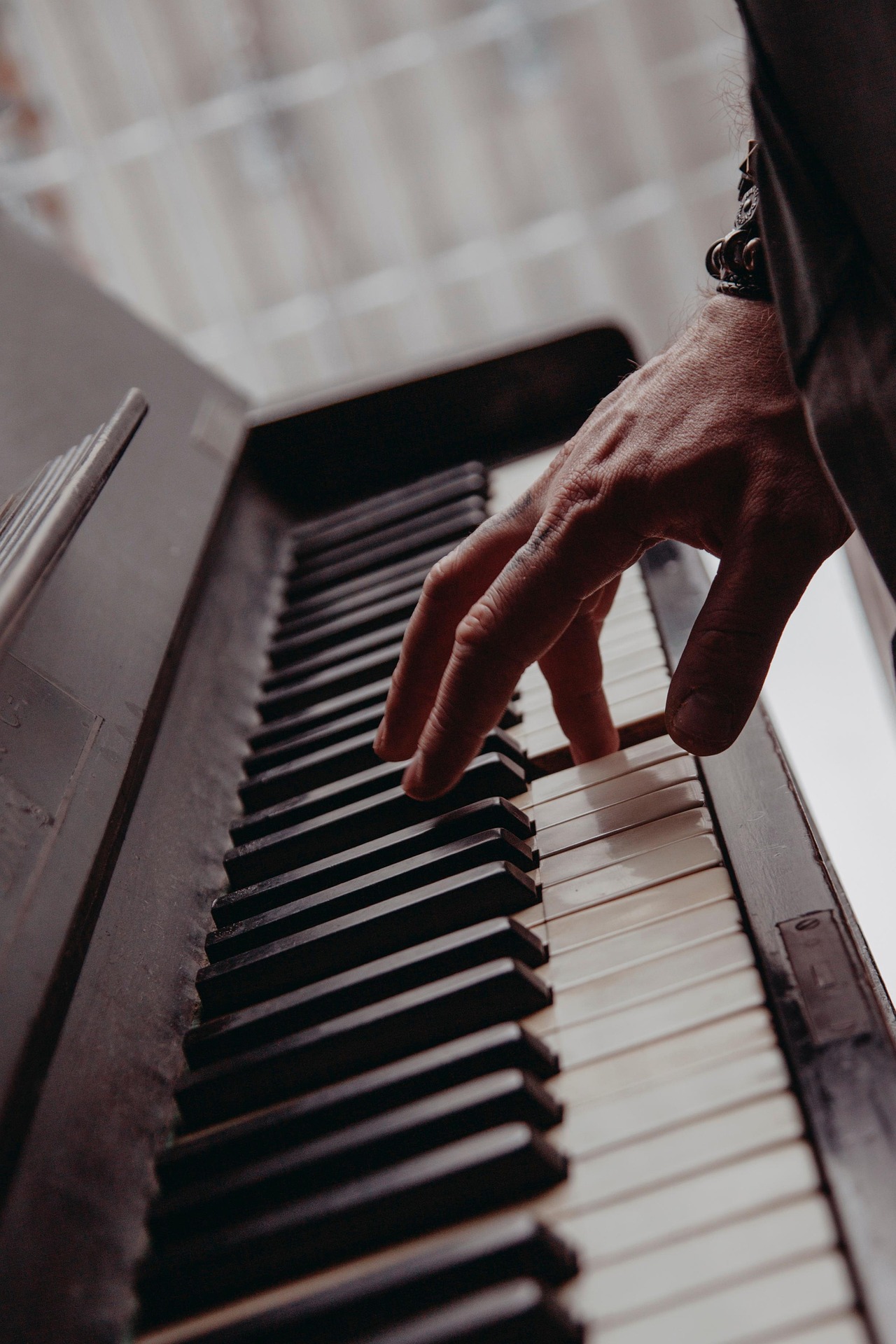
A keyboard (or “synth keyboard”) has unweighted, spring-loaded keys. They’re lighter, easier to press, and don’t simulate the resistance of a real piano. They’re portable and cheap — but they develop different finger habits than a piano.
Can You Learn Piano on a Keyboard?
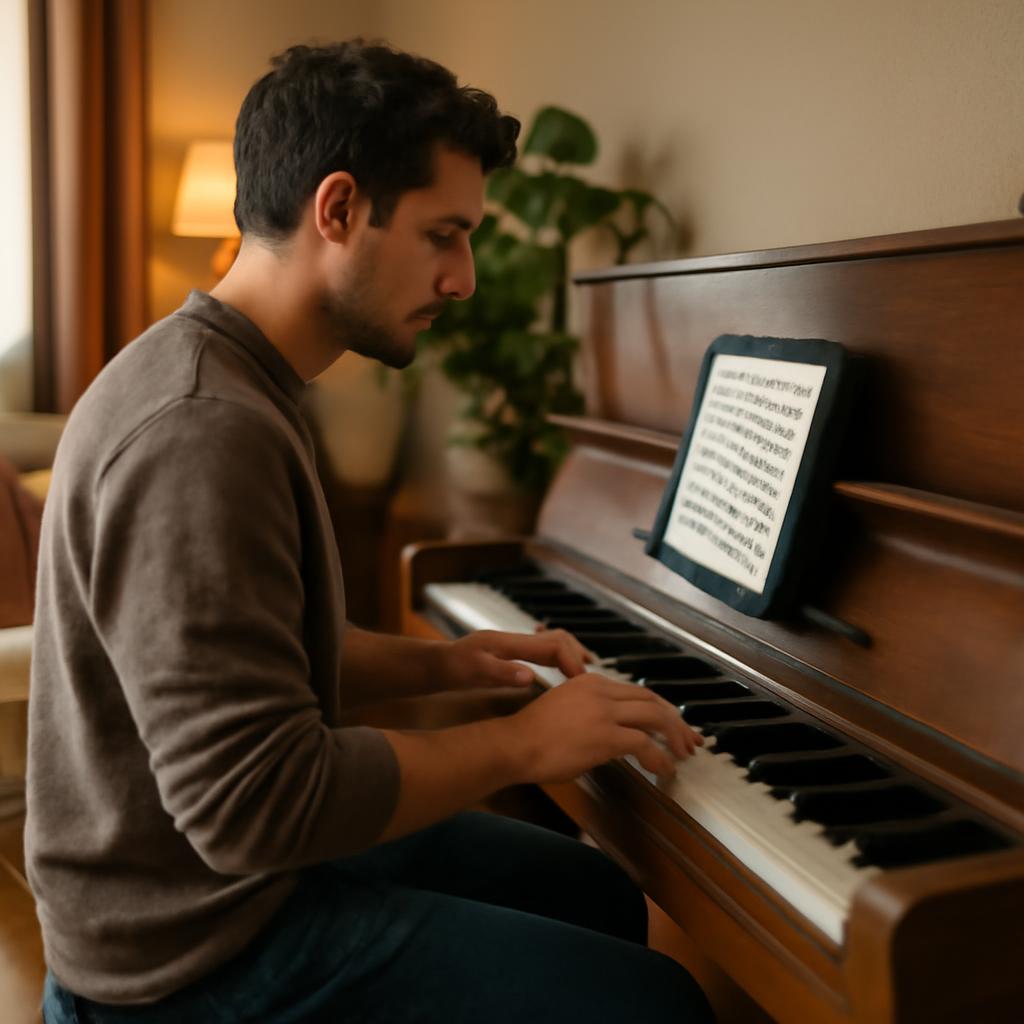
Yes — especially in the beginning. If a keyboard is what you have access to, use it. Thousands of pianists started on cheap unweighted keyboards and went on to play well. The notes are in the right places and the fundamentals are learnable.
The caveat: if you practice exclusively on unweighted keys for a long time and then sit down at a weighted instrument, the difference in key resistance feels significant. Technique developed on light keys doesn’t fully transfer.
The Best Option for Beginners: Weighted Digital Piano
A weighted or semi-weighted digital piano is the ideal starting instrument for most adult beginners. It combines:
✅ Realistic key feel that develops proper technique
✅ Electronic convenience (headphone output, no tuning, silent practice possible)
✅ Significantly lower cost than acoustic
✅ Consistent sound quality regardless of environment
Good beginner digital pianos in the $200–$400 range include the Casio CDP-S series, Yamaha P-45, and Roland FP-30.
Quick Comparison Table
| Type | Cost | Key Feel | Best For |
|---|---|---|---|
| Acoustic Piano | $1,500+ | Authentic | Serious students, long-term |
| Digital Piano (weighted) | $200–$800 | Very good | Most beginners — ideal |
| Keyboard (unweighted) | $50–$200 | Light | Getting started on a budget |
Whatever Keyboard You Have, This Course Works
Pianoforall works on any keyboard — weighted or unweighted, 61 keys or 88. The course is designed for real-world beginners, not ideal-scenario ones.
Frequently Asked Questions
Can I learn piano on a cheap keyboard?
Yes — especially in the first few months. A basic keyboard lets you learn fundamentals, chord shapes, and basic technique. Upgrading to a weighted digital piano once you’re committed is recommended but not urgent in the beginning.
How many keys do I need to learn piano?
61 keys is sufficient for beginners. 76 is more comfortable as you advance. 88 keys covers the full piano range and is recommended once you’re working on intermediate to advanced classical repertoire.
What to read next
- Start Here: A Beginner Roadmap for Adult Learners
- How to Practise Piano as a Beginner
- Learning Piano as an Adult: What to Expect
- Piano Chords for Beginners
Looking for a comprehensive piano course? Read our Pianoforall review — 10 eBooks with audio and video for a one-time price.
Disclosure: This post contains affiliate links. If you purchase through our links, we may earn a small commission at no extra cost to you. We only recommend products we genuinely believe in.