
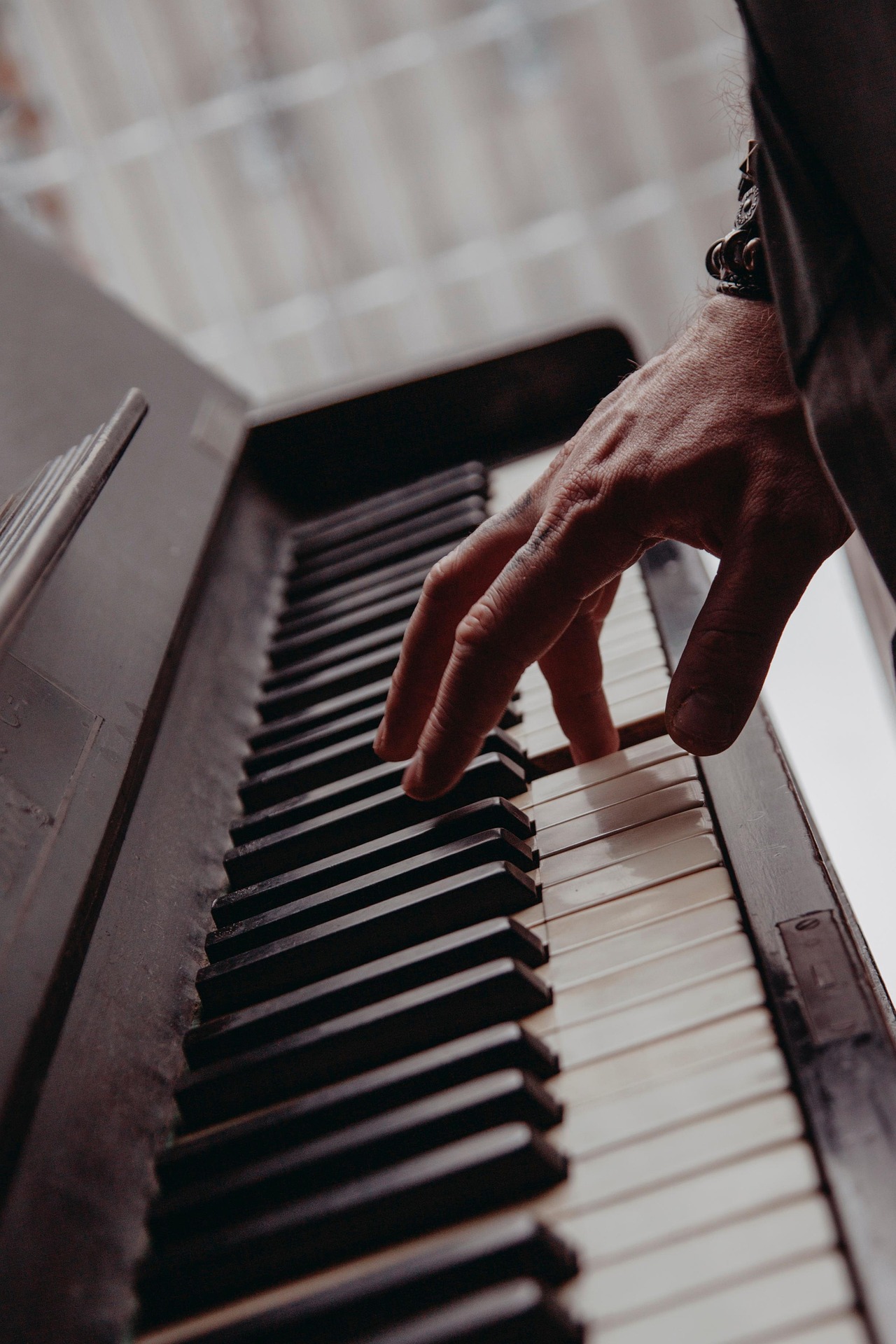
The most common reason adults give for not learning piano — or for stopping — is time. Not lack of interest, not lack of ability. Just the genuine scarcity of uninterrupted hours in a busy adult life. The good news: 15 minutes a day is genuinely enough to make real progress, if those minutes are used well.
Why Short Sessions Work (When Done Daily)
Piano skill is built through repetition and neural consolidation. Daily repetition — even in short sessions — consolidates motor patterns more effectively than less frequent longer ones. The mechanism is sleep consolidation: motor memory is processed and strengthened during sleep after each practice session. A 15-minute focused session every day produces substantially more progress than a 90-minute session on weekends, even though the total weekly time is similar.
This is counterintuitive for people who learned other skills through intensive effort. Piano learning happens differently — incrementally, through small daily repetitions that compound over time.
How to Structure a 15-Minute Practice Session
Random 15-minute sessions produce random results. Structured ones build skills efficiently. Here’s a framework that works for busy learners:
- Minutes 1–3: Warm up on something you already know well. A chord progression, a scale, a short piece you can play comfortably. This gets your hands and attention engaged without burning focus on new material.
- Minutes 4–12: Focused work on one specific target — a section you’re learning, a technique you’re developing, a piece you’re working through. Break it into small chunks. Identify the hardest bar and drill that specifically rather than playing through the whole piece repeatedly.
- Minutes 13–15: Play something for enjoyment — something you can already play that you like. End every session on something that feels good. This matters more than it sounds: ending on success sustains the habit.
The Habit Architecture That Makes It Stick
The biggest threat to busy learner progress isn’t time — it’s inconsistency. Three weeks of practice followed by two weeks of nothing produces almost no net improvement. The key is building a habit that survives the weeks when life gets hectic.
Attach practice to an existing anchor. “I practice piano right after my morning coffee” is more durable than “I practice piano when I have time.” Habits that piggyback on existing routines are far more resistant to being skipped.
Reduce friction to near zero. Keep your keyboard out and accessible — not in a case, not in a closet. If sitting down requires setup, you’ll skip on busy days. If the piano is already on and visible, the barrier is low enough that 15 minutes actually happens.
Protect the streak with a minimum session. On days when 15 minutes isn’t possible, play for 5. Five minutes of scales and one run through a piece counts. The goal is daily contact with the instrument — even minimal contact prevents skill decay and sustains the habit.
What to Practice When Time Is Short
When you only have 15 minutes, sequence matters. Practice new or difficult material while your attention is fresh (early in the session) and consolidation material when you’re fading (end of the session). Avoid the trap of playing through complete pieces repeatedly — this feels productive but is one of the least efficient uses of short practice time.
More effective with limited time:
- Isolate the hardest measure of what you’re learning and drill it 10 times in a row
- Practice chord transitions (the moments between chords, not the chords themselves)
- Practice hands separately before combining them
- Use a metronome at a slow tempo — slower than you think you need, consistent rather than rushed
The Curriculum That Fits a Busy Schedule
Most piano learning tools are designed around unlimited time — hour-long lessons, extensive video libraries, long practice suggestions. Pianoforall works particularly well for busy learners because the chord-first approach produces visible results quickly — within days, not months — which sustains motivation even when practice windows are short.
The structured curriculum is self-paced and modular: you can work through it in 15-minute sessions, picking up exactly where you left off. No wasted time finding your place, no pressure to complete a lesson in one sitting. At a one-time cost of ~$49, it’s also far more sustainable than monthly subscriptions when you’re learning on a constrained schedule.
Realistic Progress Expectations
What can you actually achieve with 15 minutes a day? More than most people expect:
- 1 month: Comfortable with basic chord shapes, able to play simple songs slowly
- 3 months: Several songs playable at performance tempo, basic chord progressions becoming automatic
- 6 months: Early intermediate level — able to learn new songs independently from sheet music or chord charts
- 1 year: Solid intermediate playing; good harmonic vocabulary, developing musicality
These are conservative estimates for 15 minutes daily. If you occasionally have 20–30 minutes, progress accelerates proportionally. The key variable is consistency, not session length.
Frequently Asked Questions
Is 15 minutes a day really enough to learn piano?
Yes — with caveats. Fifteen focused minutes daily produces genuine progress, and it’s far better than occasional long sessions. Progress will be slower than with longer daily practice, but not linearly slower: the consistency of daily practice matters more than the length of individual sessions for building motor memory and musical instinct.
What if I miss a day?
Miss one day and move on. Miss two consecutive days and make the third non-negotiable. Perfectionism about practice streaks causes more people to quit than missing days does. One missed day doesn’t erase progress — a two-week gap does.
Should I practice in the morning or evening?
Whenever is most sustainable for your schedule. Some learners do better in the morning before competing demands accumulate; others find evenings more relaxed and musical. The best time to practice is whichever time you’ll actually do it consistently.
How do I make the most of very short practice sessions?
Focus on a single target. Don’t try to practice everything in one session — pick one thing (a difficult chord transition, a specific passage, a new concept) and drill that specifically. Focused repetition of a small target beats unfocused playing through complete pieces.
What to Read Next
- How to Practice Piano Effectively
- Learning Piano as an Adult: What Actually Works
- Pianoforall Review: Honest Assessment
- Does Piano Get Easier? What Progress Really Looks Like
Disclosure: This post contains affiliate links. If you purchase through our links, we may earn a small commission at no extra cost to you.