
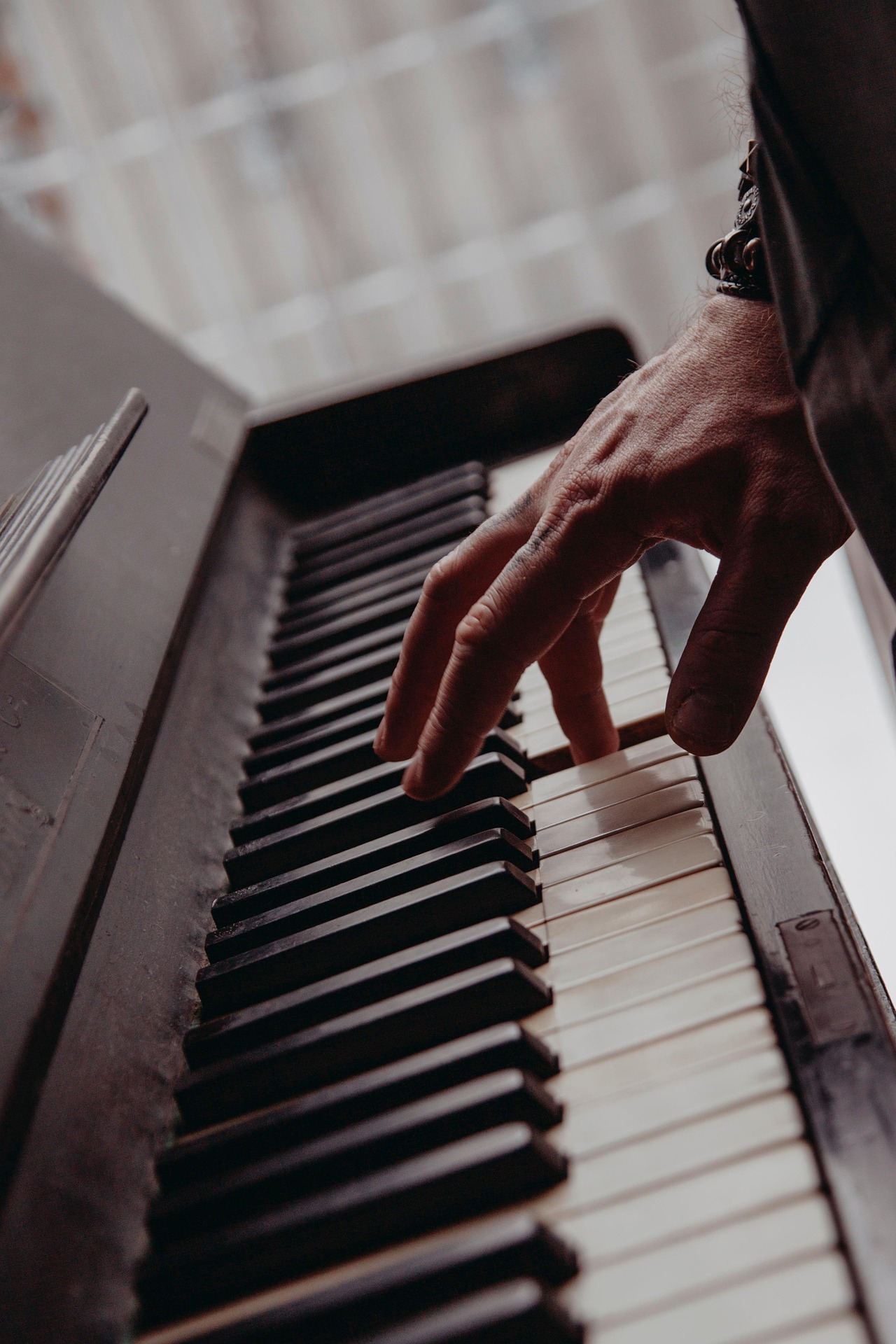
The first movement of Beethoven’s Moonlight Sonata is one of the few pieces of “serious” classical music a determined beginner can actually play, because its entire texture is a slow, repeating triplet arpeggio. There are no fast runs and no big leaps. If you can play three notes smoothly and change chords calmly, you can play the opening. This guide breaks down the triplet pattern, the fingering, the pedal, and how to approach it without getting overwhelmed.
The triplet arpeggio that never stops
The right hand plays continuous triplets, three notes rising through each chord, over and over. The opening is a C# minor chord broken as G#-C#-E, repeated. Your right-hand fingering is 1-2-5 (or 1-2-4 depending on hand size), staying relaxed and even. The magic of this piece is that the notes never rush, they just flow. It’s essentially an arpeggio study dressed as a masterpiece, so understanding how arpeggios work makes the whole thing click.
The left hand holds slow octaves, one low note per bar or two, that anchor the harmony. Because the left hand moves so rarely, this is a friendlier introduction to two-hand classical playing than most pieces. It also sits well alongside other approachable repertoire in our guide to classical piano for beginners.
Fingering and evenness
The single most important thing here is even triplets. If one note of each group is louder or rushed, the spell breaks. Practice slowly, listening for three equal notes at equal volume. Keep your hand quiet, your fingers close to the keys, and let a small rotation of the wrist carry you across each group rather than lifting fingers high.
- Learn four bars at a time, hands separately first.
- Play at half speed until the triplets are dead even.
- Add the left-hand octaves only once the right hand is automatic.
- Keep the whole thing quiet, this movement lives at soft dynamics.
Reading the notes can be the slow part since it’s in C# minor with plenty of sharps. Don’t let that stall you, work in tiny sections and repeat. If sharps and key signatures trip you up, brush up with our guide to reading sheet music for piano.
Pedal and mood
Beethoven marked this movement to be played with the sustain pedal creating a soft haze. In practice, change the pedal each time the harmony changes so the arpeggios blend within a chord but don’t smear across two. This is delicate pedaling, and it’s worth getting right because it defines the atmosphere. Our sustain pedal guide covers the exact press-and-lift timing.
Above all, this piece is about feeling. It should sound like something grieving quietly, never mechanical. Shaping those dynamics is a skill in itself, and our piece on playing emotional piano music is directly relevant. If you’d like a structured path that builds the chord-and-arpeggio foundation this piece demands, Pianoforall gets you comfortable with broken chords early, which is the exact technique running through this whole movement.
A realistic timeline
Be honest with yourself: the full movement takes most beginners a few weeks of patient sectional practice, not a weekend. But the opening page is very reachable, and it already sounds like the real thing. Learn the first line perfectly before moving on, and you’ll build momentum instead of burning out on the harder middle pages. A good milestone is being able to play the opening from memory with clean pedal changes and even triplets, because if that’s solid, everything that follows is just more of the same technique applied to new chords. If you catch the classical bug, it pairs well with the other approachable masterpieces in our roundup of famous piano pieces every beginner should know.
FAQ
Can a beginner play Moonlight Sonata?
The first movement, yes, with patience. It uses one slow triplet pattern and rarely moving left-hand octaves, so there are no fast or acrobatic passages. The later movements are much harder and not beginner material.
What key is the first movement in?
C# minor, which has four sharps. The key signature looks intimidating but the hand shapes are consistent, so it becomes familiar quickly once you learn the opening.
Do I need pedal for it?
Yes, the pedal is central to the movement’s misty sound. Change it with each chord change so the arpeggios blend without blurring across different harmonies.
Check the current price of Pianoforall here →
This post contains affiliate links. If you buy through them, we may earn a small commission at no extra cost to you.