Playing softly is, paradoxically, one of the hardest piano techniques to master. Most beginners can play loud without much trouble — playing quietly requires a level of control and touch sensitivity that takes deliberate practice to develop.
Why Soft Playing Is Hard
Playing softly requires controlling the speed and weight of key depression with far more precision than playing loudly. Press too slowly or too lightly and the hammer does not reach the string at all — the note fails to sound. The challenge is finding the exact amount of controlled force that produces a quiet note that still speaks clearly.

The Key Is in the Finger, Not the Arm
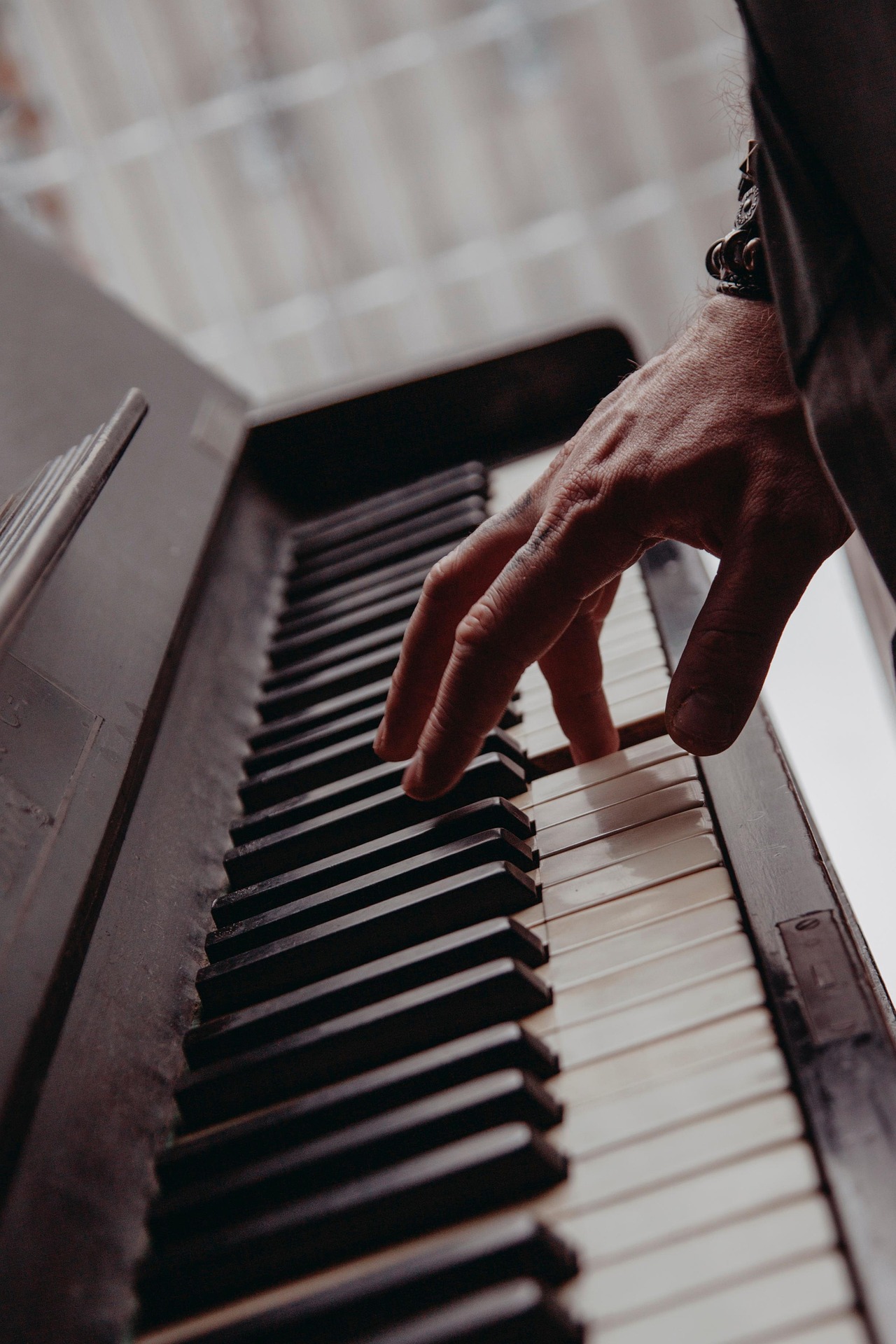
True soft playing comes from the finger itself — from controlling the speed of finger depression using the finger muscles rather than arm weight. Practice pressing keys very slowly, feeling the moment the hammer engages the string. This connects to everything we cover about hand position and touch.
Develop Full Dynamic Range
Pianoforall teaches musical expression including dynamics, touch, and soft playing technique in real musical context.
Practice Dynamic Extremes
Practice the same passage at very loud and very soft volumes deliberately. Playing at the extremes of your dynamic range expands your overall control and makes the middle of the range more consistent. Many players find their loud and quiet are actually quite similar — this exercise reveals and corrects that compression.
Use the Soft Pedal
In passages that need to be genuinely quiet, use the soft pedal (left pedal). As covered in our guide to piano pedals, it reduces volume and changes tonal quality slightly, producing a more intimate sound. Use it in combination with soft finger technique for the quietest, most delicate passages.
Play With Full Musical Expression
Pianoforall develops the complete technical and musical toolkit — from fortissimo to pianissimo.
What to read next
- Piano Chords for Beginners
- How to Practise Piano
- Easy Piano Songs for Beginners
- Learning Piano as an Adult
Looking for a comprehensive piano course? Read Pianoforall review — online video lessons plus interactive ebooks for a one-time $49 payment.
Disclosure: This post contains affiliate links. If you purchase through our links, we may earn a small commission at no extra cost to you. We only recommend products we genuinely believe in.