Honestly? For most people who are serious about learning piano, yes — weighted keys are worth getting from the start. They build the finger strength and touch control you need to play a real piano, and they make the eventual jump to an acoustic painless. But there are real exceptions, and if the choice is between an unweighted keyboard today or nothing at all, start playing on whatever you have.
What weighted keys actually do
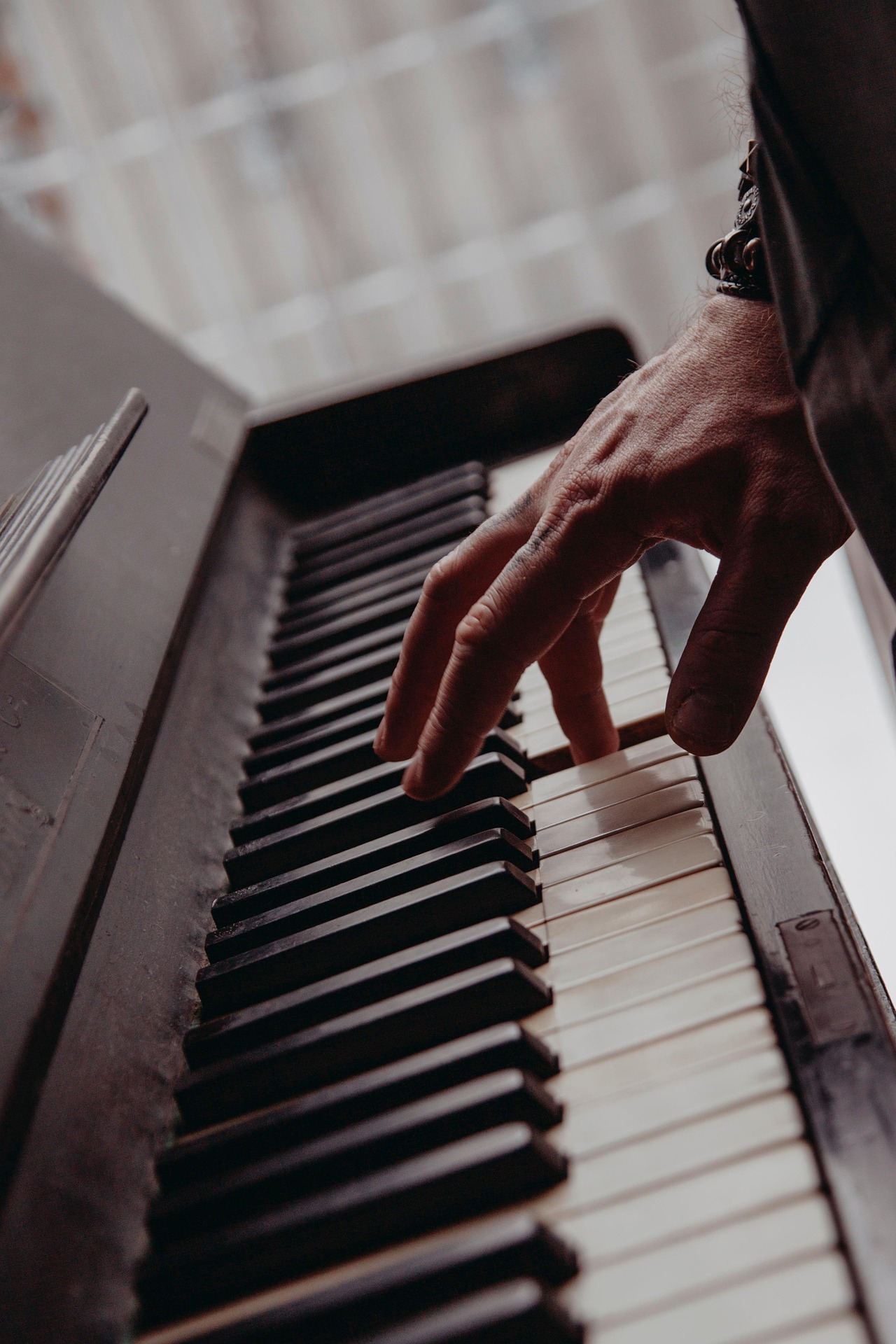
On an acoustic piano, each key moves a small felt hammer, so the keys have real resistance — heavier in the bass, lighter in the treble. Weighted (or “hammer action”) digital keys mimic that feel. Unweighted keys, the springy kind on cheap keyboards, offer almost no resistance and feel more like a toy organ.
Why does it matter? Piano technique is partly about controlling how hard you press to shape volume and tone. You cannot develop that control on keys that barely push back. Learn on unweighted keys for a year and you will build habits — pressing too hard, no dynamic control — that you then have to unlearn on a real piano. That is the core case for weighting.
When you can skip them (at least for now)
Weighted keys are ideal, but they are not an absolute requirement to begin. Reasonable reasons to start unweighted:
- Budget right now: if a weighted board means waiting six months, don’t wait. Start on what you can afford and upgrade later. Momentum beats gear.
- You already own an unweighted keyboard: use it to learn notes, chords, and songs while you save. The music you learn transfers even if the touch doesn’t.
- Space or noise limits: a compact keyboard you’ll actually play beats a weighted piano that doesn’t fit your life.
The worst outcome is not “learning on unweighted keys.” It is not playing at all because you are waiting for the perfect setup. My guide to whether you can learn without a real piano and the honest answer on whether you need a piano to learn piano both make this point.
Weighted vs semi-weighted vs unweighted
There is a middle tier worth knowing about:
- Fully weighted (hammer action): the closest to an acoustic. Best for learning technique. Found on the Yamaha P-45, Roland FP-30X, Casio Privia line.
- Semi-weighted: a bit of resistance from springs, not hammers. Better than nothing, common on synths, but not a true substitute.
- Unweighted: light, springy, no resistance. Fine for learning where notes are; poor for building touch.
If you are buying specifically to learn piano, go fully weighted. If you are choosing between a keyboard and a digital piano more broadly, my breakdown of piano vs keyboard for beginners and acoustic vs digital piano cover the trade-offs.
The thing that matters more than the keys
Here is what matters more than gear: the keyboard is not what makes you good. Your practice does. People can obsess over key action while making little progress because they have no plan, while others learn beautifully on a modest keyboard because they followed a real method. A structured course like Pianoforall teaches you to actually play songs, and it works on weighted or unweighted keys alike. Get playing first; the touch will matter more as you advance.
The bottom line
If you can afford fully weighted keys, buy them — you will never regret it, and you will not have to re-learn touch later. If you can’t yet, start now on what you have and upgrade when you can. The gear that gets you playing today beats the perfect gear you buy next year. For a full checklist of what to buy, see what equipment you actually need to start.
Check the current price of Pianoforall here →
Frequently asked questions
Will I develop bad habits on unweighted keys?
You can, mainly around dynamics and pressing too hard. It’s manageable if you’re aware of it, but fully weighted keys avoid the issue entirely. Upgrade when you’re able.
Are semi-weighted keys good enough for piano?
They’re a step up from unweighted but not a true stand-in for hammer action. If piano is your goal, fully weighted is the target.
How much do weighted digital pianos cost?
Entry-level fully weighted 88-key pianos start around $400–$500 new, and less used. That’s the sweet spot for a beginner who wants to buy once.
As an Amazon Associate I earn from qualifying purchases. This post contains affiliate links. If you buy through them, we may earn a small commission at no extra cost to you.