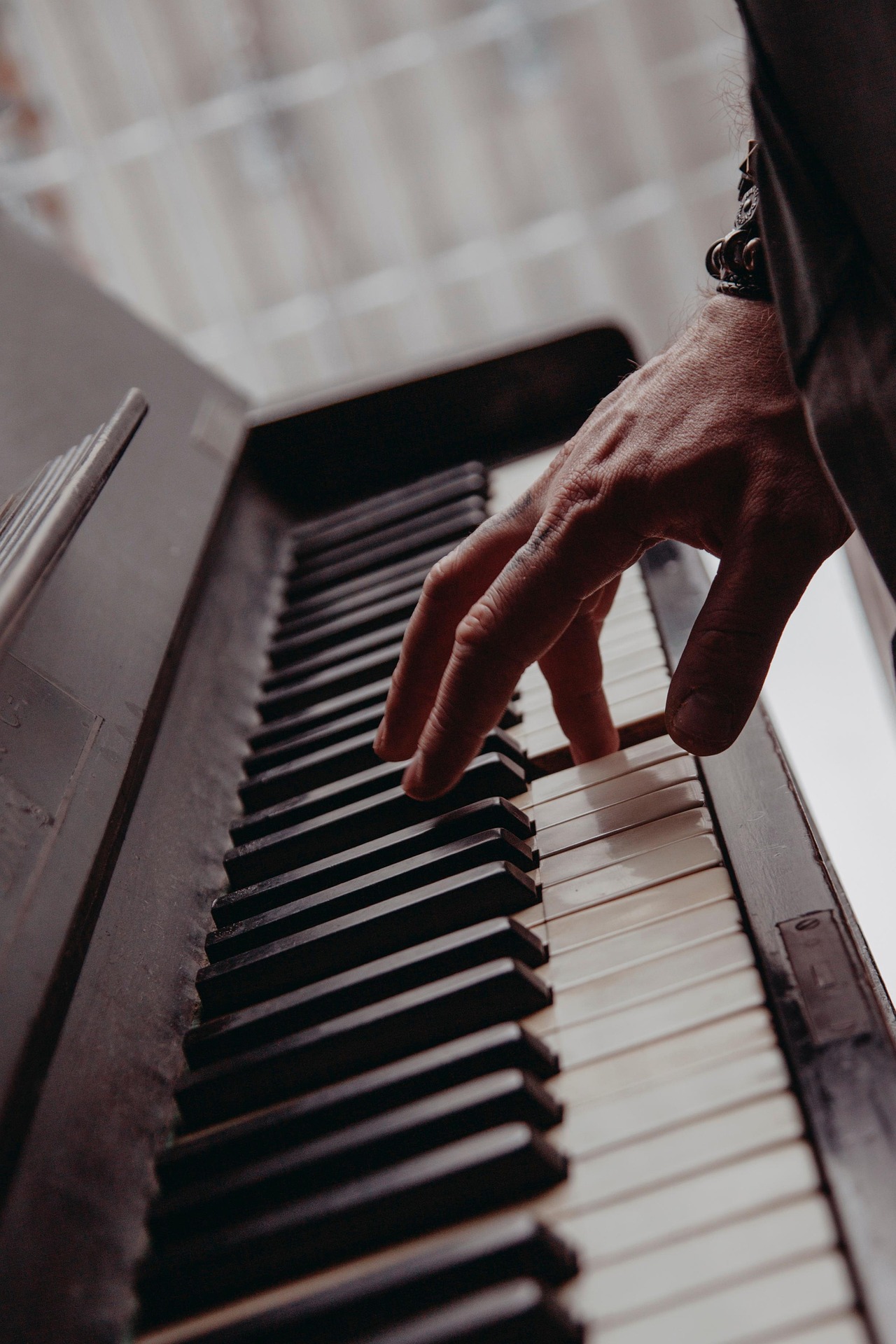
Yes — you can teach yourself piano. Not theoretically, not with major asterisks, but genuinely and practically. Hundreds of thousands of adults have done it, and the tools available today make it more viable than ever.
The more useful question isn’t whether it’s possible, but how to do it without wasting months going in circles.

What Self-Taught Pianists Actually Do Differently
Successful self-taught pianists don’t just sit down and start guessing. They treat self-teaching seriously — finding structured resources, committing to daily practice, and approaching their learning with the same intentionality a student would bring to formal lessons.
The ones who fail at self-teaching usually make one of three mistakes: they try to learn from scattered, unconnected resources with no curriculum; they practice inconsistently; or they choose music that’s way too hard for where they are, get demoralized, and quit.
What You Need to Teach Yourself Piano
A Structured Course or Curriculum
This is the single most important element. Not YouTube videos, not random song tutorials — a structured course that takes you from beginner to wherever you want to go in a deliberate, progressive sequence. This replaces the teacher’s role in organizing and pacing your learning.
A Keyboard With Weighted Keys
Any 61-key+ keyboard with weighted or semi-weighted keys. The weighted feel builds finger strength and technique that an unweighted keyboard won’t. Budget: $200–$400 for a solid beginner option.
Consistent Daily Practice
Twenty to thirty minutes a day. Non-negotiable. The most talented self-taught pianists in the world got there through daily repetition, not occasional marathon sessions.
The Biggest Advantages of Self-Teaching
Flexibility. You practice when it works for you — 7am, 11pm, Saturday morning. No scheduling, no commuting, no missed lessons.
Cost. A one-time course purchase versus $40–$80 per hour of private lessons adds up dramatically over a year.
Pace. You move as fast or as slowly as you need. A teacher runs on a clock; you don’t.
The Real Challenges of Self-Teaching
No real-time feedback on technique. A teacher can see your hands, correct your posture, and catch bad habits before they’re ingrained. Mitigate it by recording video of your playing and watching yourself critically.
Self-discipline. Without the external commitment of a scheduled lesson, it’s easy to skip practice days. Build a habit: same time, same place, every day.
Knowing what to work on next. This is where a structured course earns its value. Without a curriculum, it’s easy to spin in place on the same songs without progressing.
The Self-Teaching Course We Recommend
Pianoforall was built specifically for people who want to teach themselves piano. It provides the structure, the sequence, and the curriculum that self-teaching requires — with video, audio, and written lessons you can work through at your own pace. a large user base have used it to go from zero to genuinely playing.
A Self-Teaching Plan That Actually Works
Month 1: Learn the keyboard layout, basic hand position, and your first set of chords (C, F, G, Am). Play simple songs using those chords daily.
Month 2: Expand your chord vocabulary. Start working on simple two-hand coordination — melody in right hand, chord accompaniment in left.
Month 3: Introduce rhythm patterns beyond simple block chords. Work on a piece you actually want to perform for someone.
Months 4–6: Deepen your chord voicings, add inversions, start more complex progressions. If you’re following a structured course, you’re probably into the intermediate books by now.
Frequently Asked Questions
Can you get really good at piano by teaching yourself?
Yes — up to an advanced level. Most professional pianists outside of classical music are largely self-taught. The limits of self-teaching appear mainly at the concert-classical level.
How long does it take to teach yourself piano?
With a structured course and 20–30 minutes of daily practice: simple songs within 4–6 weeks, genuine competence within 6 months, intermediate level within a year.
Is self-teaching piano harder than taking lessons?
It requires more self-discipline, but it isn’t necessarily harder in terms of skill acquisition. A structured course provides the curriculum; you provide the consistency.
Looking for a comprehensive piano course? Read Pianoforall review — online video lessons plus interactive ebooks for a one-time $49 payment.
Disclosure: This post contains affiliate links. If you purchase through our links, we may earn a small commission at no extra cost to you. We only recommend products we genuinely believe in.