Yes, you can self-teach piano successfully — millions of adults have done it. The honest qualifier is that pure self-teaching with no external structure produces wildly inconsistent results. Some self-taught pianists reach competent amateur level within 2 years. Many give up by month 4. The difference is rarely talent; it is method. Here is what works, what fails, and the practical structure that turns self-teaching into a viable path.
What self-teaching can actually achieve
Playing pop songs from chord charts: completely achievable through self-teaching. Reading basic sheet music: achievable but slower than with a teacher. Improvising over chord progressions: more achievable through self-teaching than formal lessons, because the typical instructor focuses on sheet music. Playing classical repertoire at intermediate level: achievable but takes longer. Concert-level classical performance: not generally achievable through pure self-teaching.
Where self-teachers usually fail
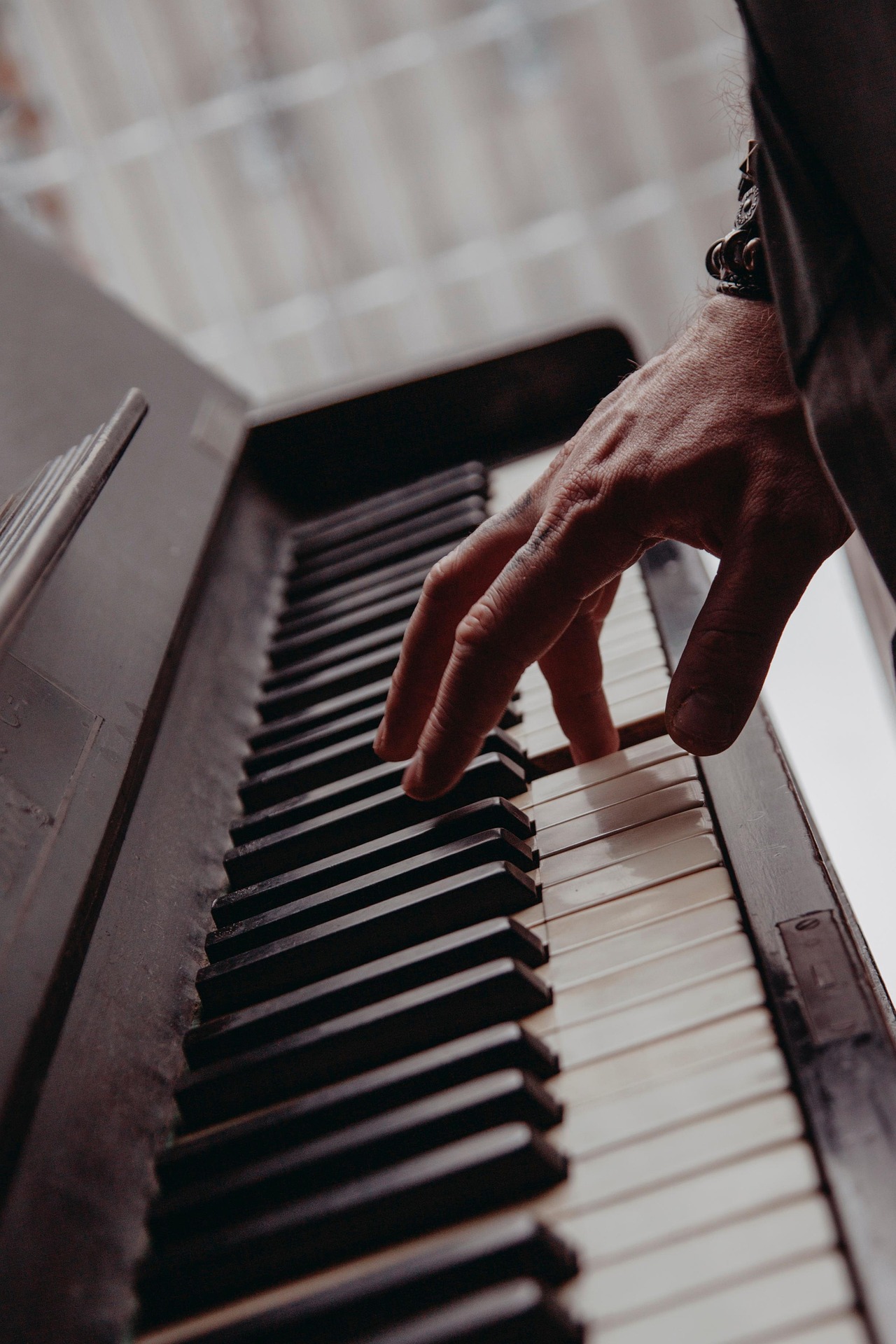
Technique. Without external feedback on hand position, wrist alignment, posture, and finger curvature, self-taught players often develop habits that limit them later. Some habits are hard to unlearn after 6-12 months of repetition. This is the single biggest argument for at least occasional in-person lessons.
The structured self-teaching approach that works
Use a recognised structured course as the spine rather than wandering through YouTube. Pianoforall, Pianote, Faber Adult Adventures — any of these provides progression. Add a metronome from week 1. Record yourself monthly on phone video. Watch the recordings to spot what you cannot feel. Schedule a once-every-3-months in-person lesson with a teacher just to audit your technique.
What to spend money on as a self-teacher
A decent digital piano with weighted keys ($400-700). One structured course ($49-200). One in-person lesson per quarter ($60-80 each). Free apps for ear training and metronome work. Total first-year investment: ~$700-1200. This is substantially less than weekly in-person lessons would cost.
What to skip
Expensive equipment until you know you will continue. Multiple competing courses (pick one and finish it before adding another). Premium membership apps if you are not using the free tier consistently. Online piano “communities” that drain time without improving practice. Premium-priced sheet music for songs you can find chord charts of.
The motivation problem self-teachers face
No teacher waiting for you on Wednesday means no external accountability. Three solutions that work for most self-teachers: pick a specific song that genuinely matters to you to keep working on (the “if I could play this, it would be worth it” piece). Record yourself monthly to make progress visible. Find one other person to play for occasionally — spouse, friend, or online community.
When to break and get a teacher
Several scenarios. After 3-4 months when you have built a habit, getting a one-time technique audit catches habits before they entrench. When you plateau and cannot identify why. When a specific piece resists you. When you want to start a new genre (classical to jazz, jazz to gospel) and need a teacher who specialises. The pragmatic pattern is mostly self-teaching with occasional teacher checkpoints.
Who self-teaching works best for
Adults with prior musical experience (other instruments, choir, music theory background). Self-motivated learners who hold themselves accountable. People with realistic expectations (amateur level over 2-3 years, not concert level). Those who genuinely enjoy the process of working things out rather than wanting hand-holding. Roughly 40-50% of adult beginners fit this profile.
Who should not self-teach
People who learned best in school with explicit instruction. Those who quit hobbies when they get hard. People with very specific repertoire goals (a particular classical piece, a wedding performance deadline). Anyone who has tried self-teaching twice and bounced both times. In-person teaching is significantly more reliable for these learners.
A 90-day self-teach starter plan
Days 1-30: Use the first Pianoforall lessons + 25 minutes daily. Goal: 8-10 simple songs playable from chord charts. Days 31-60: continue with the next Pianoforall lessons + add ear training app + record yourself monthly. Goal: blues comping + sheet reading at simple level. Days 61-90: book 3 + first in-person lesson for technique check + start your “really want to play” piece. Goal: 20+ songs in repertoire and a clear next direction.
Looking for the right course? Read our pillar guide: the best piano lessons for beginners in 2026, or our deep Pianoforall review.
FAQ
Will I learn faster with a teacher?
Usually yes — by 30-50%. Whether that is worth the cost depends on your budget, learning style, and goals. Many adults self-teach successfully without a teacher.
What is the best self-teaching method?
Pianoforall for chord-based pop and jazz learning. Faber Adult Adventures for sheet-music classical approach. Both have published track records of producing competent self-taught players.
Can I rely on YouTube alone?
In principle yes; in practice, very few adults succeed with pure YouTube. The lack of structure typically wastes 50-80% of the available learning time. Use YouTube as supplement, not spine.
How will I know if I am developing bad habits?
Record yourself video, audit posture and hand position. Better: book one in-person lesson every 2-3 months specifically as a technique checkpoint.
Is self-teaching cheaper than lessons?
Substantially. A year of weekly lessons runs $2000-4000. A year of self-teaching with quarterly technique check-ins runs $700-1200.
When should I switch from self-teaching to lessons?
When you have plateaued for 3+ months despite consistent practice, when you want to pursue a specific genre or repertoire, or when you want to perform publicly.
Related reading: Best piano lessons for beginners · Pianoforall review · Pianoforall vs Flowkey · Learn piano as an adult
Disclosure: We may earn a commission if you purchase through links on this page. This does not affect our editorial assessment. See our affiliate disclosure.