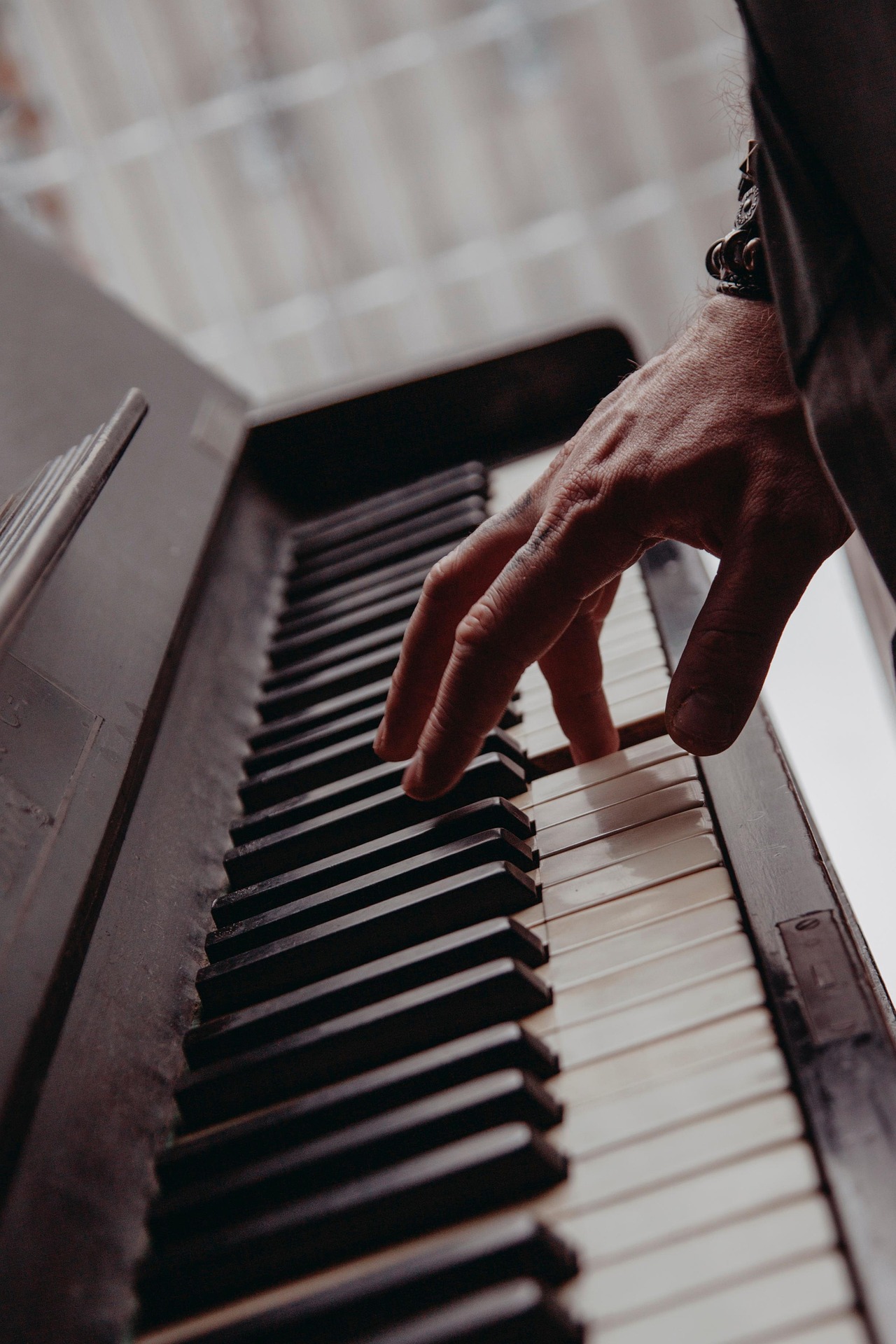
Five hundred dollars is actually a sweet spot for digital pianos. Below that price, you’re mostly looking at unweighted keyboards that feel nothing like a real piano. Above it, you get into instruments that are genuinely excellent but more than most beginners need. At the $300–500 range, you can get an instrument with fully weighted keys, good piano sound, and features that will support you for years.
We’ve compared the major models in this range using manufacturer specifications and public reviews, and below are the ones we’d actually recommend — along with who each one is best for.
What “Under $500” Actually Gets You
At this price point, you should expect: 88 fully weighted keys (or close to it), touch-sensitive keys that respond to how hard you press, USB MIDI connectivity, decent built-in piano sounds, and a sustain pedal jack. If a piano at this price doesn’t have all of these, look elsewhere.
What you typically won’t get: polyphony above 128 notes, advanced speaker systems, Bluetooth MIDI, or the ultra-realistic feel of a $1,000+ instrument. That’s fine. You don’t need any of those things to learn piano effectively.
Top Pick: Yamaha P-45 (Under $500)
The Yamaha P-45 consistently tops beginner digital piano lists, and it earns that position. It has 88 fully weighted keys with Yamaha’s Graded Hammer Standard action — meaning the lower keys feel heavier than the upper ones, mimicking the feel of a real acoustic piano. The piano sound uses Yamaha’s Advanced Wave Memory (AWM) technology, which samples from real concert grand pianos.

Connectivity includes a USB-to-host port (for MIDI apps) and dual headphone jacks. There are only 10 built-in voices, which some find limiting — but for a learner, having fewer distractions is actually a feature. It weighs about 25 pounds and is slim enough to fit on most furniture without a dedicated stand.
One note: the P-45 has been largely replaced by the P-145, which adds Bluetooth connectivity. If you can find the P-45 discounted, it’s a fantastic deal. The P-145 at around $500 is the current flagship at this price range.
Check current price on Amazon →
Runner-Up: Roland FP-30X (Around $650)
The Roland FP-30X is the other instrument that consistently competes with the Yamaha P-series at this price point. It has 88 weighted keys with Roland’s PHA-4 Standard action, which many pianists feel is slightly more realistic than Yamaha’s GHS at the same price.
The FP-30X adds Bluetooth audio and MIDI (a significant advantage for wireless connection to piano apps), a slightly richer speaker system, and 56 built-in voices. The SuperNATURAL sound engine samples real pianos and adds resonance modeling for a more organic feel when notes ring together.
It sits right at the $500 mark, so technically borderline for this category — but it’s worth mentioning because the extra features justify stretching slightly if you can.
Check current price on Amazon →
Best for Portability: Casio PX-S1100 (Around $730)
The Casio PX-S1100 (Privia series) is the slimmest 88-key weighted digital piano in this price range — it’s barely wider than a standard desk and weighs only 24 pounds. It has a Smart Scaled Hammer Action keyboard that feels surprisingly realistic.
It also includes Bluetooth MIDI and audio, meaning you can connect wirelessly to apps like Simply Piano or Flowkey. If you move your piano around frequently or live in a small apartment, the Casio Privia series offers the best balance of portability and playing feel at this price.
Check current price on Amazon →
Best Budget Option With Weighted Keys: Alesis Recital Pro (Around $250)

If you want fully weighted keys but can’t stretch to $450+, the Alesis Recital Pro is the most honest option at the lower end. It has 88 full-size weighted keys (hammer-action), 12 built-in voices, and a USB MIDI port. The piano sound isn’t as refined as Yamaha or Roland, and the action isn’t as convincing — but for the price, it’s genuinely impressive.
It’s the keyboard I’d recommend if your budget is around $200-250 and you’re not willing to compromise on weighted keys. Don’t confuse it with the standard Alesis Recital, which has semi-weighted keys — the “Pro” version is the one with full hammer action.
Check current price on Amazon →
Quick Comparison Table
| Model | Price | Keys | Action | Bluetooth MIDI |
|---|---|---|---|---|
| Yamaha P-45/P-145 | Under $500 | 88 weighted | GHS | P-145 only |
| Roland FP-30X | Around $650 | 88 weighted | PHA-4 Standard | Yes |
| Casio PX-S1100 | Around $730 | 88 weighted | Smart Scaled Hammer | Yes |
| Alesis Recital Pro | Around $250 | 88 weighted | Full hammer | No |
Budget the lessons, not just the piano
It is easy to spend the whole budget on the instrument and then default to free videos. A structured course costs a fraction of any piano here and is what most adults are actually missing. Our Pianoforall review covers a one-time-payment option and who it suits.
Read our Pianoforall review →If you want my honest recommendation: get the Yamaha P-145 or Roland FP-30X if you can spend around $500. Both are exceptional instruments that will support your learning for 5+ years. The Roland is slightly better if you care about Bluetooth connectivity and richer sound; the Yamaha is slightly better if you prioritise simplicity and reliability.
If $500 is too much right now, the Alesis Recital Pro at around $250 is a respectable compromise — not as good, but fully functional for learning. Just make sure you get the Pro version with weighted keys.
Looking for a comprehensive piano course? Read the budget course we recommend — video lessons plus downloadable ebooks, no subscription.
How we reviewed this (updated 16 October 2026): this page is based on the manufacturers’ official information, specifications and pricing and on public user feedback. We have not hands-on tested the products listed.
Disclosure: As an Amazon Associate I earn from qualifying purchases. Some links on this page are affiliate links. If you purchase through them, we may earn a small commission at no extra cost to you. We only recommend products we genuinely believe in.