The keyboard you start on matters more than most people think. I’ve watched friends give up on piano partly because their cheap first keyboard was so unpleasant to play — the keys were too light, the sounds were tinny, and there was no way to connect it to a learning app. A decent beginner keyboard doesn’t have to be expensive, but it does need to have a few key features.
This guide cuts through the noise and tells you exactly what to look for — and which specific keyboards I’d recommend for someone just starting out.
What Actually Matters in a Beginner Keyboard
Before I give you model recommendations, here’s the non-negotiable checklist. A beginner keyboard should have:
- 61 keys minimum — 88 is ideal, but 61 gives you enough range to learn properly. Avoid 49-key or smaller “toy” keyboards for serious learning.
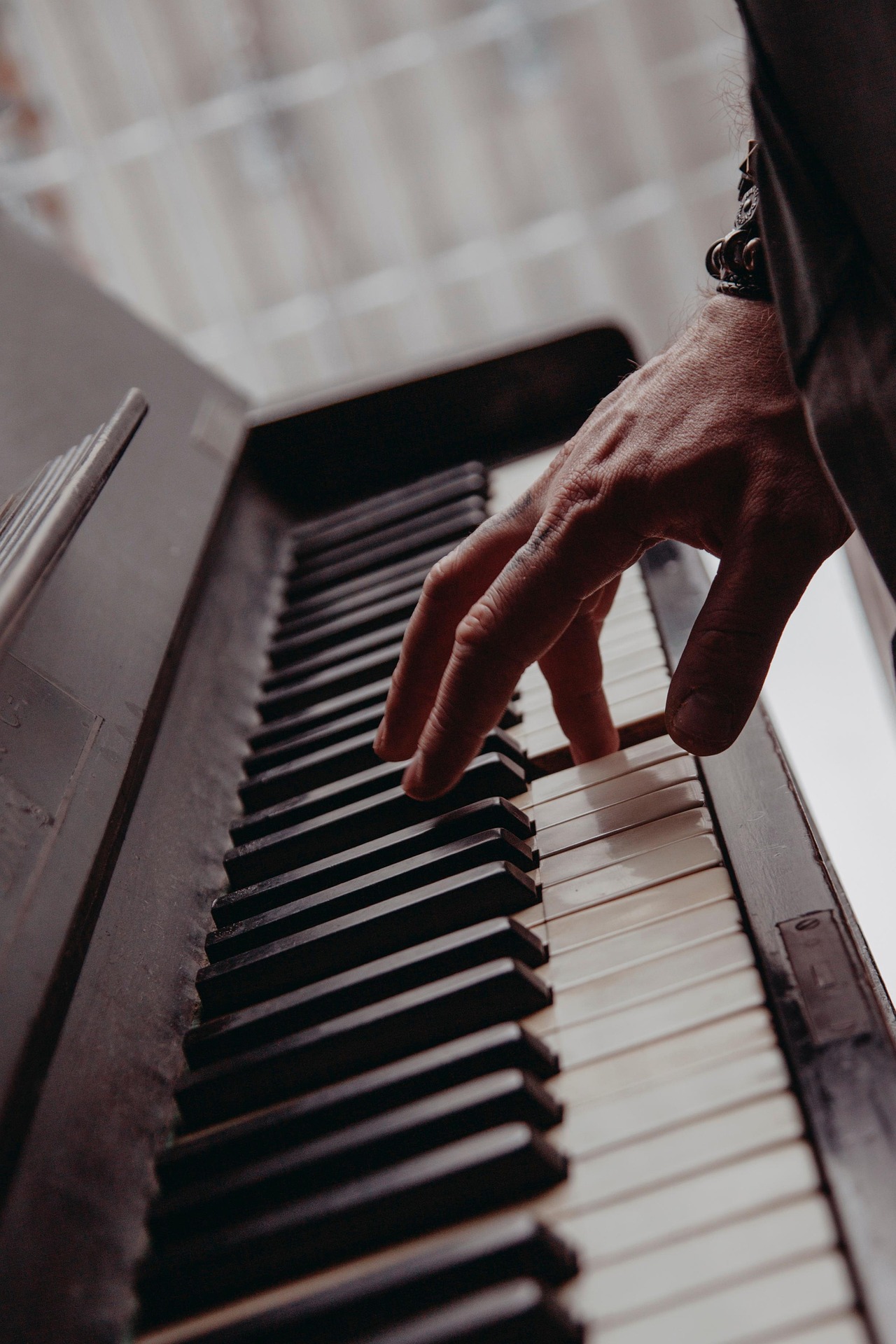
- Weighted or semi-weighted keys — This is the big one. Real pianos have weighted keys that resist your fingers. If you only ever practice on unweighted (synth-action) keys, you’ll struggle when you sit at an acoustic piano. At minimum, look for semi-weighted.
- Touch sensitivity (velocity) — The keyboard should respond differently depending on how hard you press. This is essential for musical expression and for building proper technique.
- MIDI output (USB or 5-pin) — Lets you connect to piano learning apps like Piano Marvel, Playground Sessions, and others for accurate note tracking.
- Decent built-in sounds — You don’t need 500 instrument sounds. But the piano sound should be pleasant enough to practice with for an hour.
Best Budget Pick: Casio CT-S300
Price range: around $60–70. If you’re not sure whether you’ll stick with piano and don’t want to spend much, the Casio CT-S300 is the most honest entry-level option. It has 61 keys, touch sensitivity, and sounds that are perfectly acceptable for practice.

The downside: the keys are unweighted (standard for this price range) and there’s no USB MIDI, so connecting to apps isn’t possible natively. It’s a solid first keyboard if budget is tight, but plan to upgrade within a year or two.
Best Mid-Range Pick: Yamaha P-45 or P-125
Price range: $450–$700. This is where the real upgrade happens. The Yamaha P-45 (and its successor the P-125) have 88 fully weighted keys with graded hammer action — meaning the lower keys feel heavier than the upper ones, just like a real piano. This is the feature that makes the most difference to long-term skill development.
Both models have USB MIDI built in, which means you can connect directly to any piano app without an adapter. The piano sound is genuinely good — not acoustic grand quality, but completely convincing for home practice. If you’re serious about learning piano and can stretch the budget, the P-45 or P-125 is the keyboard I’d recommend to almost any beginner.
P-45 vs P-125: What’s the difference?
The P-125 adds a more refined piano sound engine, slightly better speaker system, and a few more built-in rhythms and songs. For a pure learner, the P-45 is completely sufficient. If you want a keyboard you won’t outgrow for 5+ years, the P-125 is worth the extra.
Best Compact Option: Roland GO:PIANO
Price range: around $200. The Roland GO:PIANO is 61 keys, semi-weighted, with built-in Bluetooth that connects directly to piano apps — no cable needed. It’s particularly popular for people who travel or live in small spaces. The Bluetooth MIDI feature is a real advantage if you practice on apps like Simply Piano or Flowkey.
It’s not as good as the Yamaha P-series for technique development (the keys are lighter and the action isn’t as realistic), but as an all-round beginner package with modern connectivity, it’s excellent value.
Best for Kids: Casio LK-S250
Price range: around $130. The Casio LK-S250 has lighted keys — individual keys light up to show you what to press. This makes it much easier for younger children to learn without constantly looking at sheet music. It’s 61 keys with touch sensitivity and a reasonable sound library.

It’s not the right choice for adults who want to develop serious technique, but for children aged 5–10 learning to find notes and follow songs, it’s genuinely helpful.
What About a Full Acoustic Piano?
If you have the space and budget, an acoustic upright piano is always the gold standard for developing touch and tone. The feel is simply better than any digital. But they cost significantly more, require tuning twice a year, and can’t be practiced with headphones — which matters if you live in an apartment or have noise restrictions.
For most beginners, a quality digital piano like the Yamaha P-series gives you 90% of the benefit at a fraction of the cost and hassle. Don’t let anyone make you feel like you need an acoustic to start learning seriously.
The Bottom Line
If budget allows, the Yamaha P-45 or P-125 is the keyboard I’d recommend to almost any adult beginner. The weighted keys will accelerate your technique development and you won’t outgrow it for years. If you’re not ready to spend that much, the Roland GO:PIANO is a smart mid-tier option with great app connectivity. And if you’re genuinely just testing the waters, the Casio CT-S300 gets you started without a major commitment.
Looking for a comprehensive piano course? Read our editorial Pianoforall review — 10 eBooks with audio and video for a one-time price.
Disclosure: Some links on this page are affiliate links. If you purchase through them, we may earn a small commission at no extra cost to you. We only recommend products we genuinely believe in.