Under $500, you can absolutely get a full 88-key, fully weighted digital piano that will carry you well past the beginner stage. The standouts in 2026 are the Yamaha P-45, the Roland FP-10, and the Casio CDP-S110 and CDP-S160. Any of them gives you real hammer-action keys — the one spec that actually matters — without the compromises of cheaper semi-weighted boards.
What “weighted” actually buys you
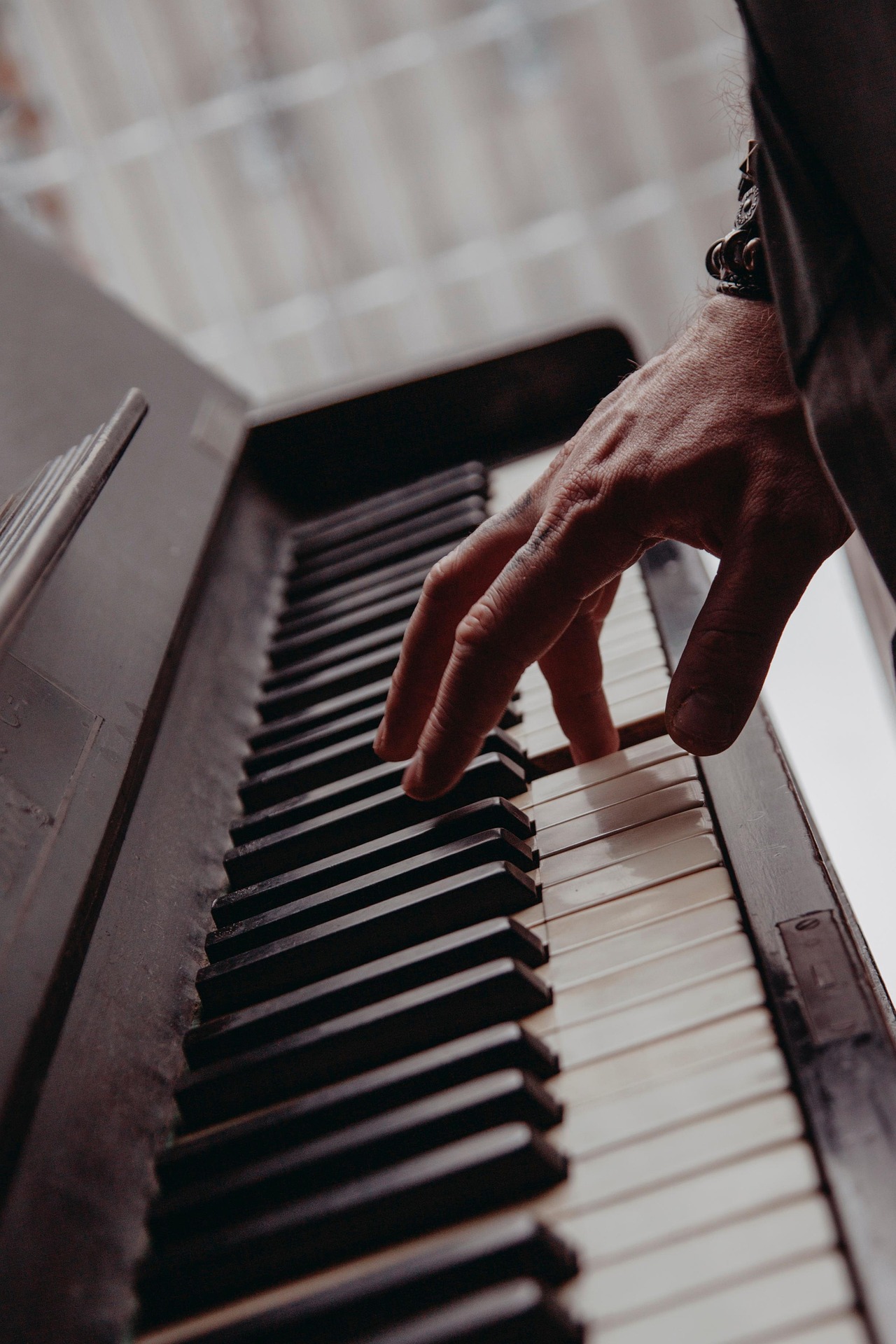
Weighted keys use small hammers so the keys push back like an acoustic piano — heavier in the bass, lighter up top. This builds the finger strength and control you will need on any real piano. A cheap $150 keyboard with springy, unweighted keys teaches your hands the wrong habits, and you will feel lost the moment you sit at an acoustic. That is why I steer beginners toward weighted 88-key boards even on a budget. If you are weighing whether the weight matters at all, my piece on 61 vs 76 vs 88 keys makes the case.
The top picks under $500
- Yamaha P-45 — the safe default. Fully weighted GHS action, clean grand piano sound, rock-solid build. Usually the cheapest way into a name-brand weighted 88.
- Casio CDP-S110 — the most portable and often the cheapest. Slim, light, and battery-capable, great for small spaces, with a decent scaled hammer action.
- Roland FP-10 — arguably the best key action in this bracket. Roland’s PHA-4 keys feel a notch more refined, and it has Bluetooth MIDI for apps. Often the connoisseur’s pick, and it sits right at the top of this budget.
- Casio CDP-S160 — the same slim body as the CDP-S110 with textured keytops and a duet mode for lessons. Often the cheapest of the four on Amazon, which makes it easy to recommend.
You genuinely cannot go badly wrong with any of these. They land on my broader list of best digital pianos under $500 too, because they hit the sweet spot of price and quality. Prices shift with sales throughout the year, so it’s worth checking all four before you commit — the “best” one is often just whichever is discounted the week you buy. A used unit from a reputable seller can also stretch your budget to a higher tier, since these pianos are built to last and hold up well secondhand.
Check current prices on Amazon:
Yamaha P-45 →
Roland FP-10 →
Casio CDP-S160 →
Browse the Casio CDP-S range →
How to choose between them
Since the key action is good across the board, decide by your priorities:
- Best feel: Roland FP-10.
- Lowest price / most trusted: Yamaha P-45.
- Portability and small rooms: Casio CDP-S110.
- Cheapest route to weighted keys: Casio CDP-S160.
Budget for the extras too. None of these come with a proper stand, and you will want a sustain pedal and possibly a bench. Add roughly $60–$120 for a stand and pedal so the total doesn’t surprise you. My guide to what equipment you actually need lists the essentials versus the nice-to-haves.
Don’t over-spend on the board
Here is the honest bit: any of these will outlast your beginner years. The piano is rarely the reason people quit — lack of a plan is. Whatever you save by choosing the P-45 over a $700 model is far better spent on structured lessons. A course like Pianoforall costs a fraction of any of these keyboards and does the one thing the hardware can’t: actually teach you to play songs. Pair a solid weighted board with a real learning path and you are set.
Frequently asked questions
Can I really learn properly on a sub-$500 keyboard?
Yes. As long as it has 88 fully weighted keys, it will support your technique for years. The main things pricier models add are better speakers, sound quality, and looks — not better learning.
Is 88 keys necessary, or can I get away with 76?
88 is ideal and, at these prices, easy to get. A 76-key board works for a while but you will eventually run out of keys in some pieces. Go full-size if the budget allows.
Do these keyboards come with everything I need?
Usually just a basic sustain footswitch and power supply. Budget separately for a stand, a proper pedal, and headphones for quiet practice.
As an Amazon Associate I earn from qualifying purchases. This post contains affiliate links. If you buy through them, we may earn a small commission at no extra cost to you.