
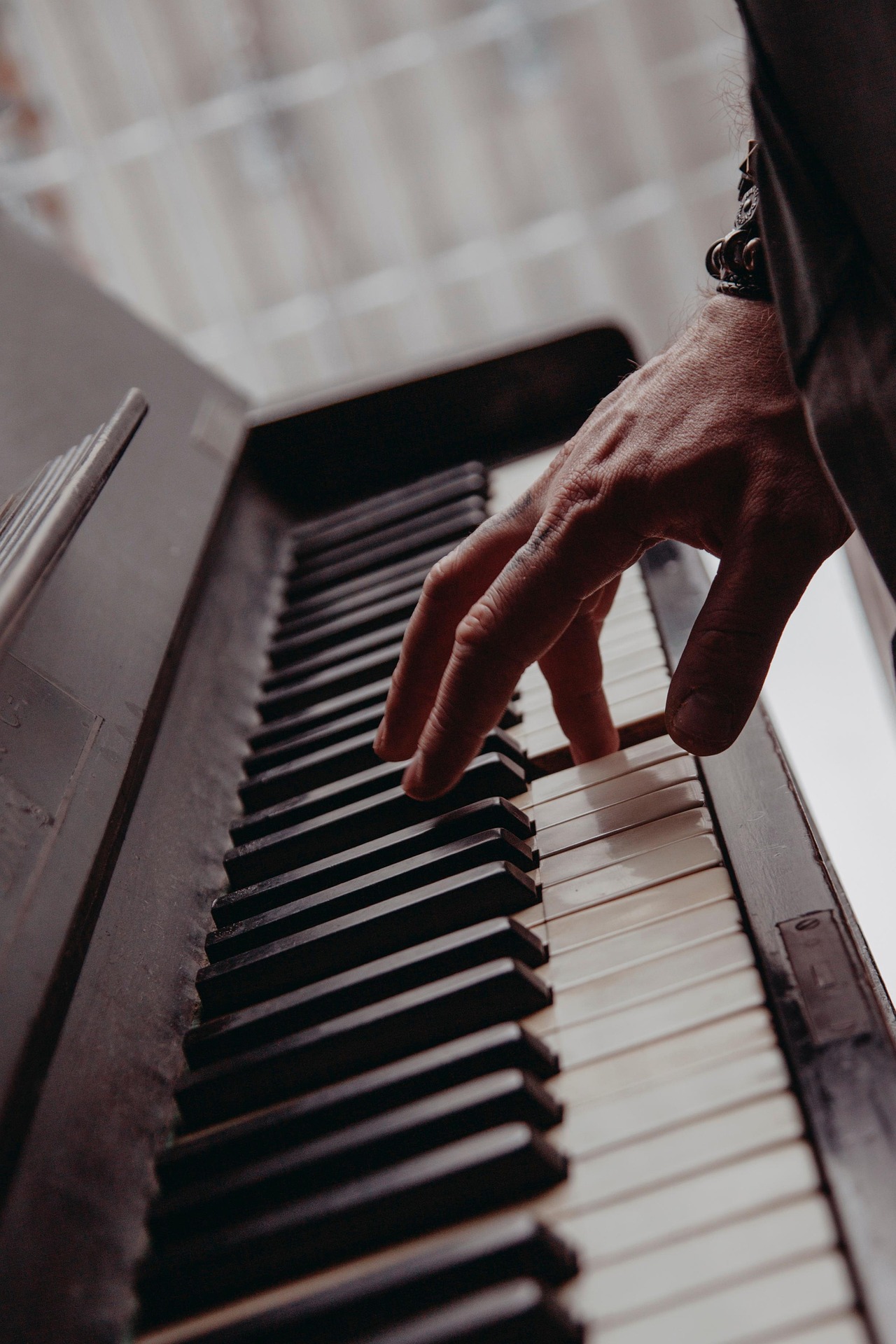
Ballads are where the piano truly sings. Slow, expressive, harmonically rich — they are some of the most satisfying music to play and one of the most effective ways to develop musical sensitivity. Here is how to approach them effectively as a beginner or intermediate player.
What Makes a Ballad a Ballad
Musically, a ballad is characterized by slow to moderate tempo, lyrical melody, and emphasis on harmonic color and emotional expression. The left hand typically provides a flowing accompaniment — either arpeggiated chords or a bass-chord-chord pattern — while the right hand carries a singing melody. The technical demands are often moderate, which makes ballads ideal for focusing on the expressive qualities of playing rather than on technical execution.
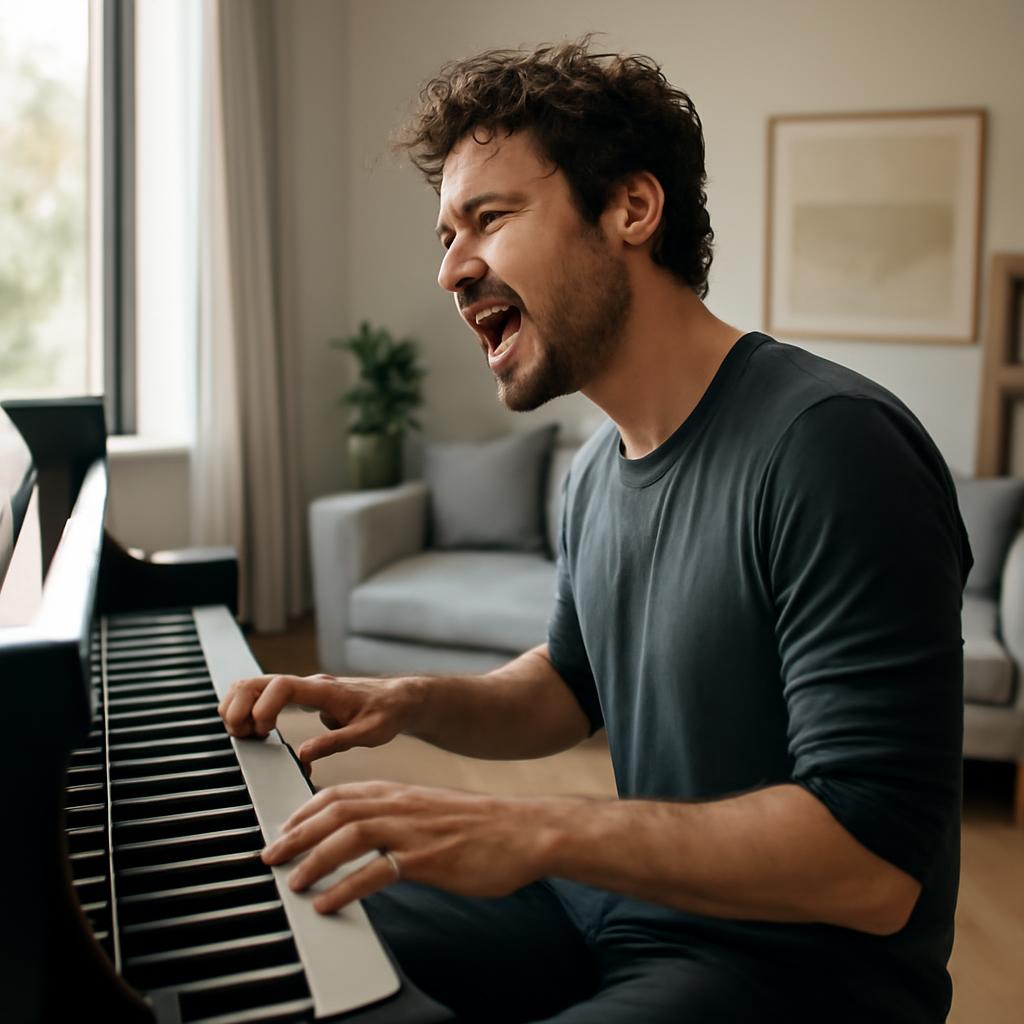
The Left Hand Accompaniment
The most common ballad accompaniment patterns are: the waltz pattern (bass note on beat one, chord on beats two and three), the arpeggio pattern (chord notes played one by one in a flowing figure), and sustained block chords with pedal. The arpeggio pattern is particularly beautiful for ballads — it creates a gentle, moving backdrop that supports the melody without competing with it.
Learn Ballad Piano With Pianoforall
Pianoforall has an entire book dedicated to ballads and slow songs — with technique, theory, and real pieces to play.
The Singing Melody
The right hand melody in a ballad should sound vocal — it should breathe, phrase, and have shape. This means using dynamics to give each phrase direction (building toward the peak, releasing at the cadence), using legato touch to connect notes smoothly, and occasionally using slight rubato (flexible tempo) to give the melody natural expression. Listen to great ballad singers for inspiration — pianists who play ballads well are essentially imitating the qualities of a great voice.
The Role of the Sustain Pedal
Ballads rely heavily on the sustain pedal for harmonic richness and legato connection. Change the pedal with each chord change to avoid harmonic muddiness, but keep the pedal engaged throughout to allow the harmonies to ring and blend naturally. Sensitive pedaling is one of the most important skills for ballad playing — too little makes the music sound dry and disconnected, too much creates a blur of sound.
Play the Music You Feel
Pianoforall develops the technique, theory, and musical sensitivity to play ballads that genuinely move people.
What to read next
- Piano Chords for Beginners
- How to Practise Piano
- Easy Piano Songs for Beginners
- Learning Piano as an Adult
Looking for a comprehensive piano course? Read our review of the comprehensive course — online video lessons plus interactive ebooks for a one-time $49 payment.
Disclosure: This post contains affiliate links. If you purchase through our links, we may earn a small commission at no extra cost to you. We only recommend products we genuinely believe in.