
Piano teachers are trained to teach. What they’re often less trained to do is set expectations honestly — particularly for adult learners who come in with specific goals, limited time, and a deep discomfort with being a beginner. These are the things most teachers don’t say upfront, but that make a real difference to adult learners.
“It Will Feel Humiliating Before It Feels Good”
Adults have spent decades being competent at things. Being genuinely bad at something — which is exactly where you are in the first weeks of piano — is uncomfortable in a way that children don’t experience the same way. Children expect to be learning; adults often feel embarrassed by the gap between their musical taste and their current playing ability.
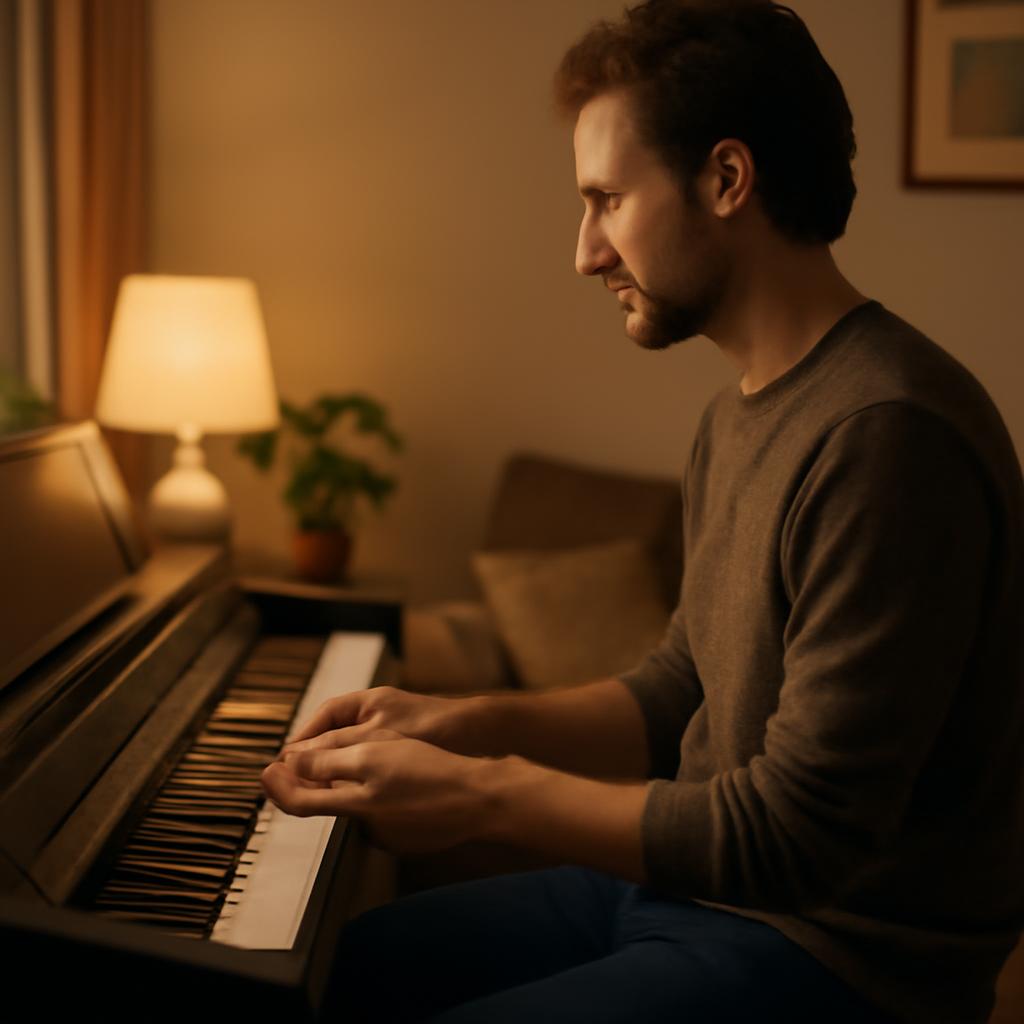
This is normal. It passes. Most adult pianists who play well today describe a period of genuine embarrassment about their beginner-level playing. Getting through it — rather than avoiding it by avoiding practice — is the work.
“The Method Matters as Much as the Teacher”
Many piano teachers teach the way they were taught: notation-first, classical technique, graded pieces from pedagogical series. This approach was designed for children with years of lessons ahead of them. For adults who want to play music they love on a reasonable timeline, it often produces frustration rather than results.
A teacher who uses the chord method — getting you playing real music immediately — will often produce better outcomes for adult learners than a technically superior teacher using a traditional approach. The method determines your early experience, and early experience determines whether you continue.
“Two-Hand Playing Takes Longer Than You Think”
Teachers often present hands-together playing as the next step after learning each hand separately — as if combining them is straightforward. It isn’t. The brain needs weeks, not days, to build the neural pathways for independent hand control at the keyboard. Most teachers know this but underemphasize it, which sets up adult learners for frustration when two-hand playing feels impossibly hard for far longer than expected.
“Consistent Short Practice Beats Occasional Long Practice”
Many teachers say this, but fewer explain it compellingly: the reason is motor consolidation during sleep. Each practice session triggers a learning process that continues overnight. Daily sessions give you seven consolidation cycles per week; twice-weekly sessions give you two. The math compounds dramatically over months.
“The First Course or Teacher Matters More Than You Know”
Adults who quit piano often quit because of a bad first experience: a teacher whose method didn’t fit them, a course that started in the wrong place, a first few months that felt all effort and no reward. The investment in finding the right approach upfront — even if it means trying a few things — pays off enormously compared to grinding through a bad fit and eventually quitting.
An Approach Designed Around Adult Learner Reality
Pianoforall was built with all of this in mind — chord-first for fast early results, structured for self-directed adult learning, paced for 20-minute daily sessions. It addresses the specific ways traditional methods fail adult beginners.
Frequently Asked Questions
Should I take private lessons or use an online course as an adult beginner?
Both work. Private lessons offer real-time feedback; online courses offer flexibility and dramatically lower cost. For most adult self-learners, a good online course with a structured curriculum produces comparable results at a fraction of the price. The key variable is structure — whether you get it from a teacher or a course, you need a coherent learning path.
Looking for a comprehensive piano course? Read the piano course we recommend — 10 eBooks with audio and video for a one-time price.
Disclosure: This post contains affiliate links. If you purchase through our links, we may earn a small commission at no extra cost to you. We only recommend products we genuinely believe in.