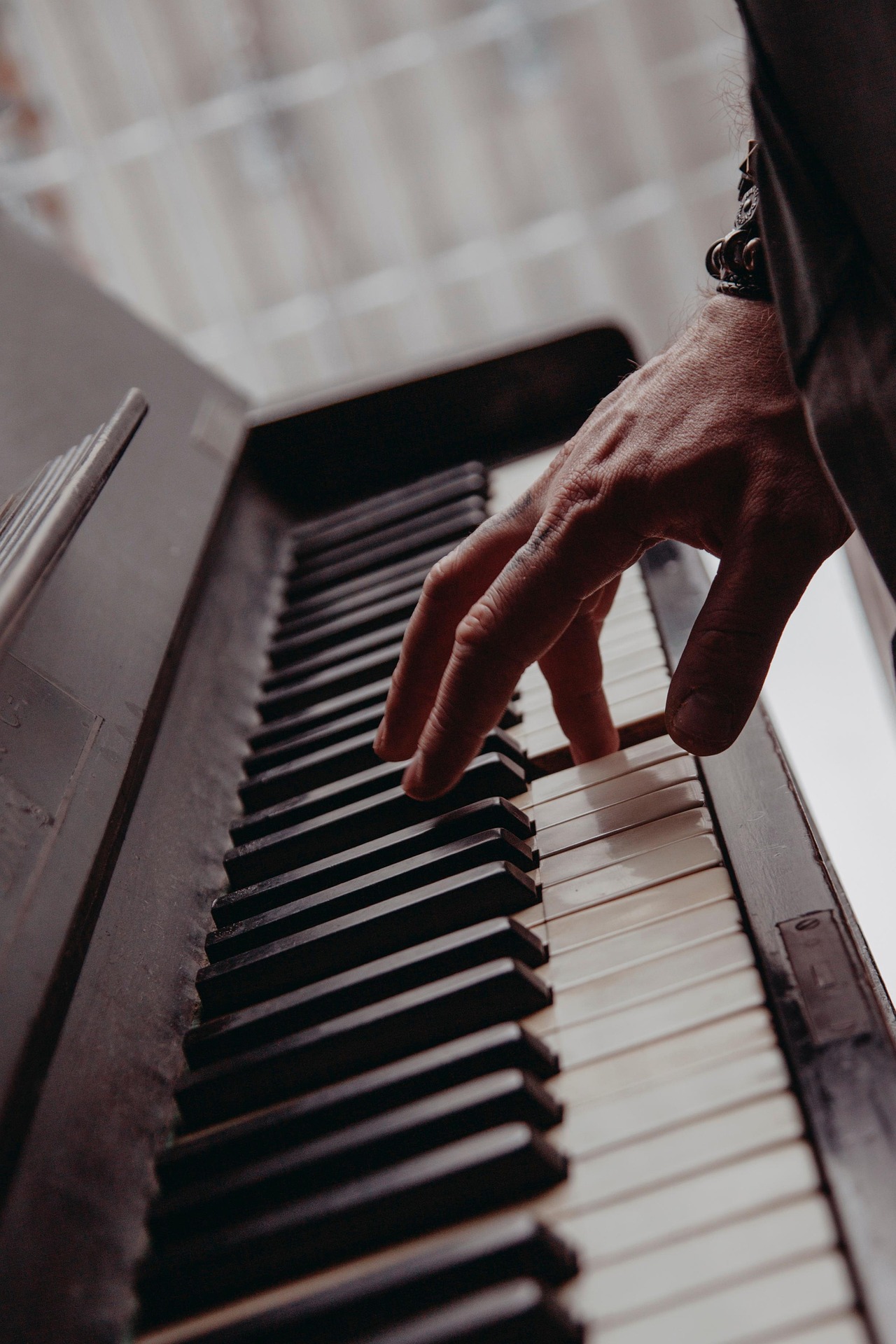
Rhythm is probably the most underrated skill in beginner piano learning. Most beginners focus on notes — are they hitting the right keys? — and treat rhythm as secondary. But rhythm is the skeleton of music. Wrong notes with correct rhythm sounds like music; correct notes with wrong rhythm sounds like random noise. Here’s how to develop solid timing from the start.
Why Beginners Rush (And Why It’s So Hard to Hear)
Rushing — playing slightly faster than the beat — is the most universal beginner timing problem. It happens for a specific reason: the brain anticipates upcoming notes and slightly pre-empts the beat in its effort to “get there in time.” It’s actually a cognitive artifact of trying hard. The solution isn’t trying harder; it’s changing how you practice.
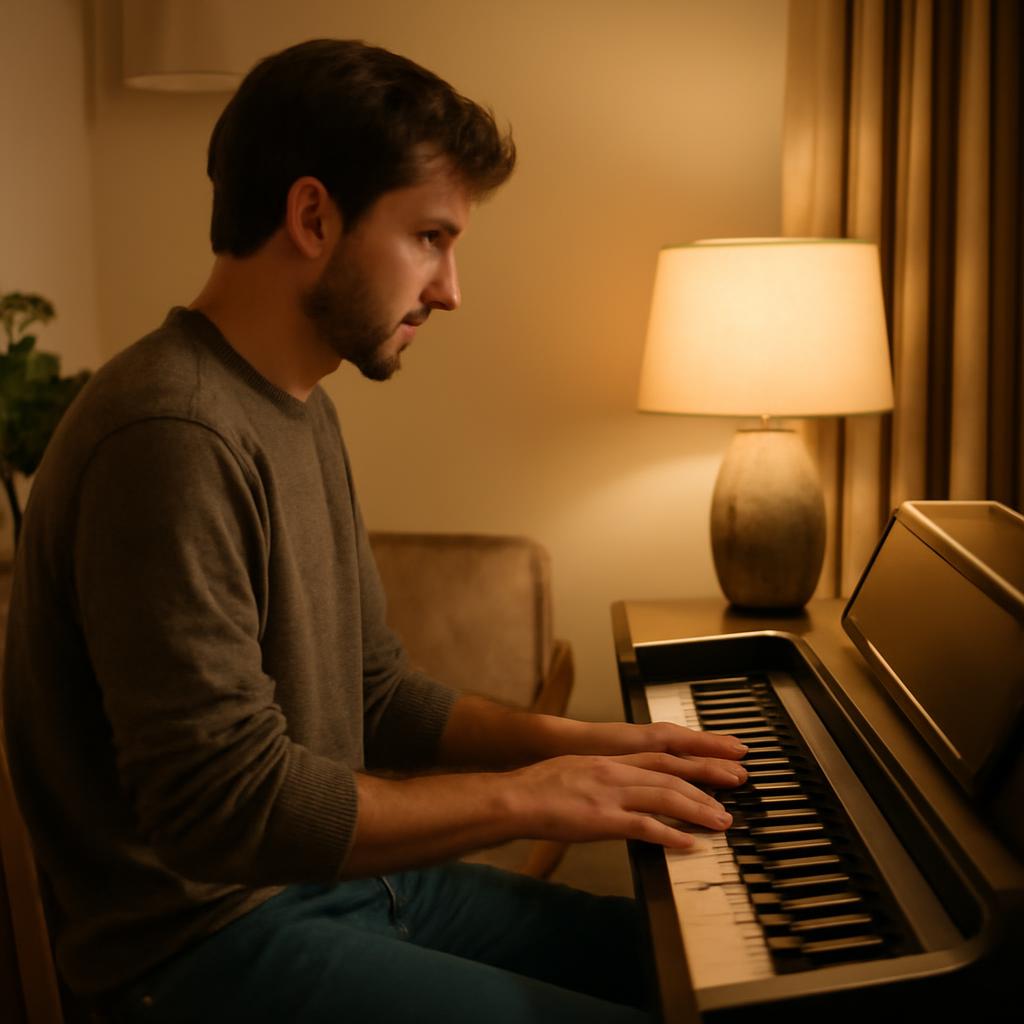
The deeper problem: most beginners can’t hear themselves rushing because they’re listening to the notes, not the rhythm. Recording yourself and listening back makes rushing immediately obvious in a way that real-time playing doesn’t.
The Metronome: Non-Negotiable for Rhythm Development
A metronome is the most effective rhythm training tool available, and it’s free on any smartphone. The way most beginners use a metronome — playing along at the target tempo — is not the most effective method. The correct approach:
- Set the metronome to a tempo where you can play the passage cleanly and in time consistently.
- Play along with the metronome, listening critically to whether you’re landing exactly on the beat or slightly ahead or behind it.
- Once you’re consistent at that tempo, raise by 4–5 BPM and repeat.
The goal isn’t to play along with the metronome while barely keeping up. It’s to play so consistently that the metronome almost feels redundant.
Subdividing: The Internal Timing Tool
Subdividing means mentally counting smaller units within each beat. Instead of just feeling the quarter note beat (1-2-3-4), feel the eighth note subdivisions (1-and-2-and-3-and-4-and). This internal subdivision gives you a more precise rhythmic framework and makes it much harder to rush, because you’re tracking more frequent landmarks within the music.
Rhythm Before Notes
When learning a new piece, clap or tap the rhythm before playing any notes. Just the rhythm, no pitch. This separates the rhythmic problem from the pitch problem and lets you solve each one independently. Many pieces that seem technically challenging become much more manageable once the rhythm is internalised before the notes are added.
The Rhythm-First Method in Practice
Pianoforall is built on a rhythm-first philosophy: the first thing you learn is how to play with groove and feel, not how to play the correct notes in isolation. This sequencing produces much better rhythmic instincts than the traditional note-first approach, because rhythm is treated as a core skill from day one rather than something you “add later.”
Rhythm-First Piano Learning
Pianoforall begins with rhythm patterns before melody — you develop a genuine sense of groove from the very first session. By the time you’re adding harmonic and melodic complexity, your rhythmic foundation is already solid.
Frequently Asked Questions
How do I stop speeding up when I play piano?
Slow your practice tempo down until speeding up isn’t a problem, then use a metronome to build the tempo back up incrementally. Also: subdivide internally (count eighth notes, not just quarter notes) and record yourself to hear the rushing that you can’t feel in the moment.
Do professional pianists always use a metronome?
Most professional pianists use metronomes during the learning phase of new repertoire, then phase them out as the rhythm becomes internalized. Performance playing is often intentionally flexible in tempo (rubato), which is the opposite of what the metronome trains — but that expressive flexibility is built on a foundation of very solid, internalized rhythm.
What to read next
- How to Practise Piano
- How to Play Piano With Both Hands
- Piano Chords for Beginners
- How to Memorise Piano Songs
Looking for a comprehensive piano course? Read our Pianoforall review — online video lessons plus interactive ebooks for a one-time $49 payment.
Disclosure: This post contains affiliate links. If you purchase through our links, we may earn a small commission at no extra cost to you. We only recommend products we genuinely believe in.